
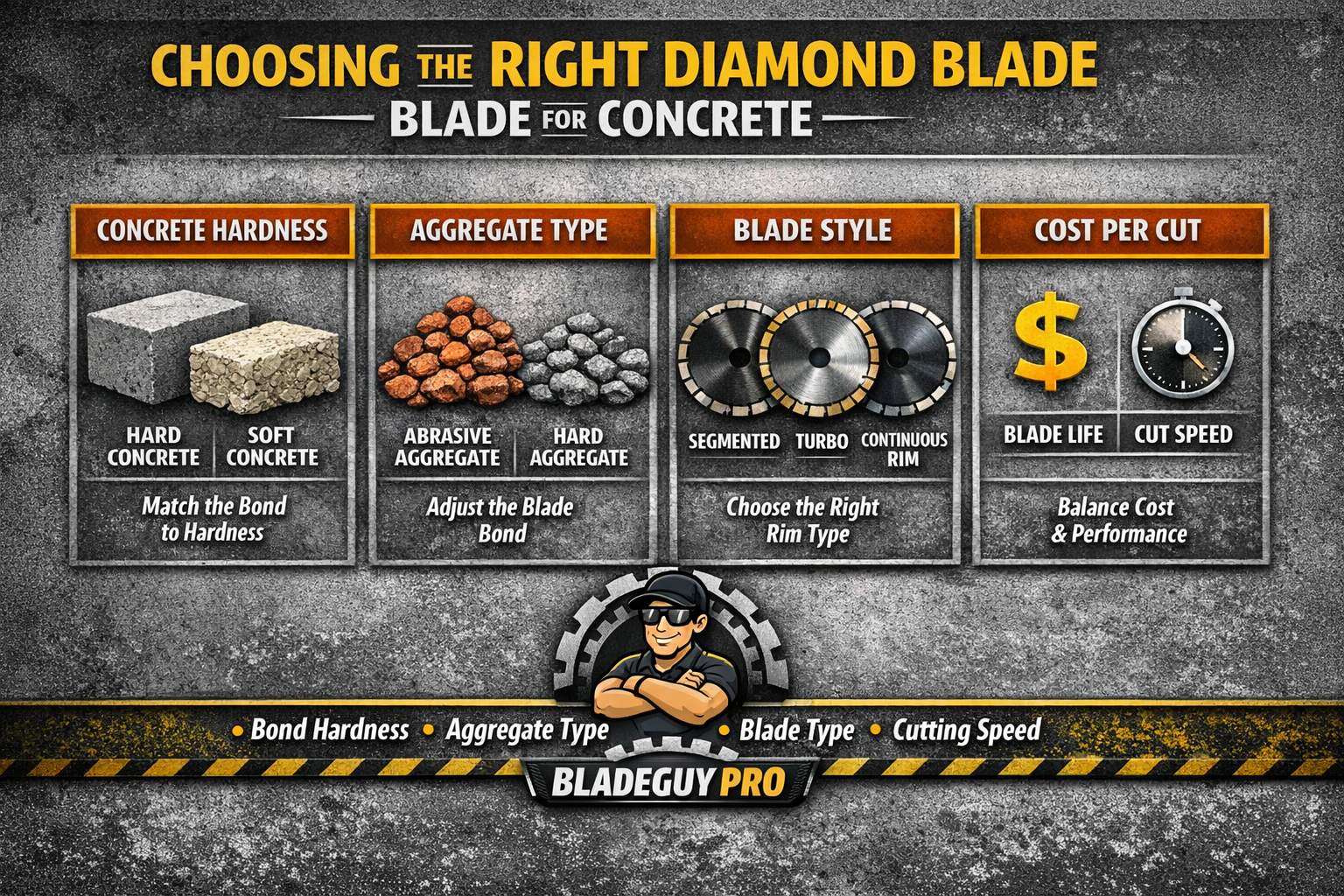
Stop Guessing. Start Cutting Faster.

4
🔥 Why Most Contractors Pick the Wrong Blade
They choose based on:
- Price
- Brand
- What the supply house had in stock
Instead of:
- Concrete hardness
- Bond type
- Aggregate
- Equipment RPM
And that’s why blades glaze, slow down, or die early.
This guide fixes that.
🧱 Step 1: Identify the Concrete
Green Concrete (1–3 Days Old)
- Soft
- Highly abrasive
- Wears blades fast
✅ Use a HARD bond blade
Cured Concrete (28+ Days)
- Harder surface
- Less abrasive
✅ Use a SOFT bond blade
Reinforced Concrete
- Contains rebar or mesh
✅ Use premium segmented blade rated for steel
⚙ Step 2: Match Bond to Hardness
The Rule Contractors Forget:
Hard Concrete → Soft Bond
Soft Concrete → Hard Bond
If your blade is glazing, your bond is too hard.
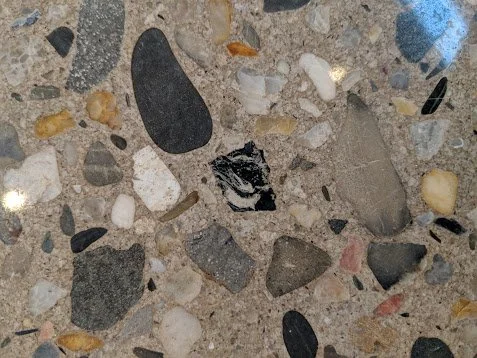
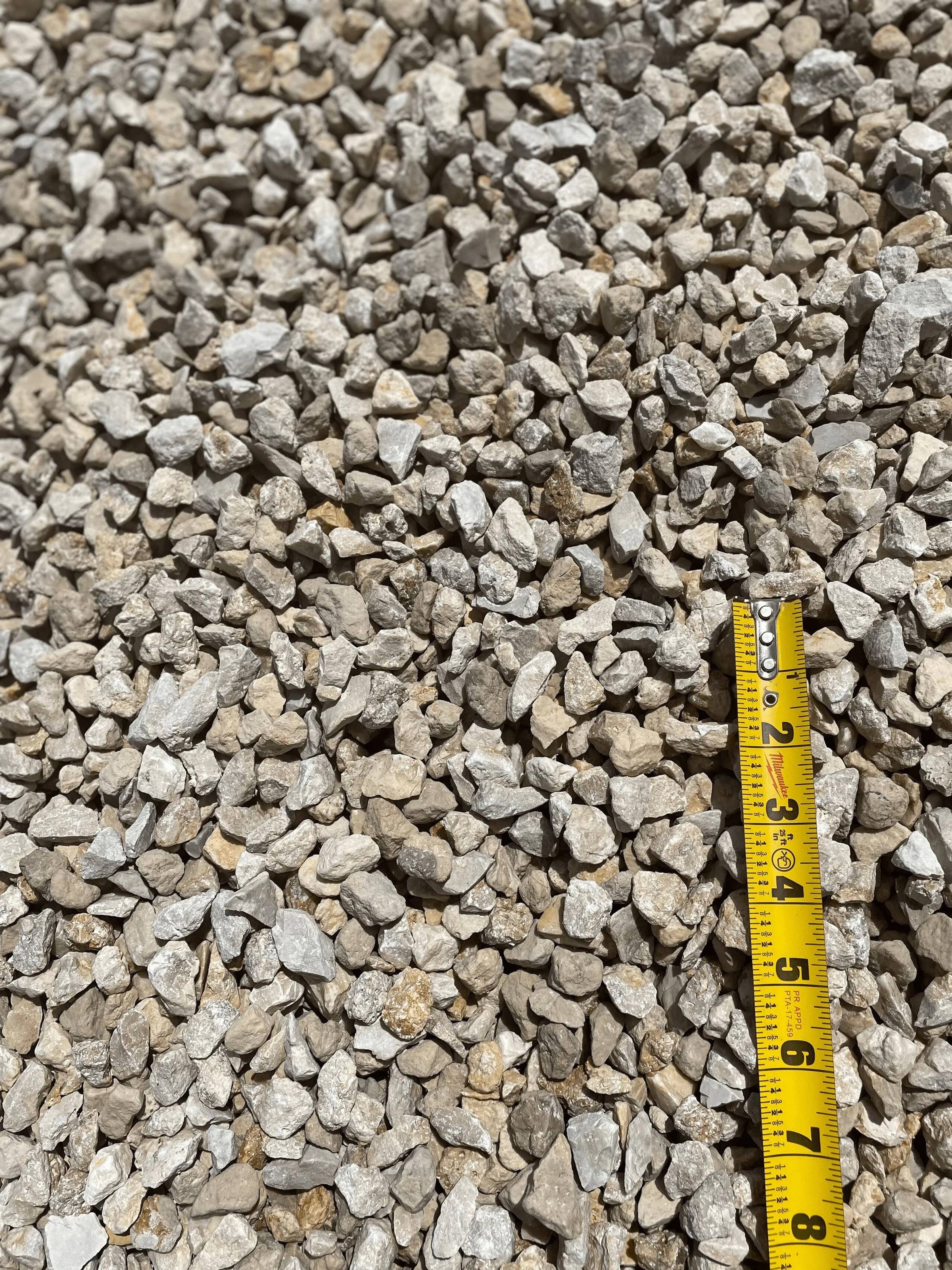
🪨 Step 3: Know Your Aggregate
4
| Aggregate Type | Cutting Difficulty |
|---|---|
| River Rock | Harder |
| Granite | Very Abrasive |
| Limestone | Easier |
| Mixed | Variable |
Aggregate affects blade life more than PSI.
🔩 Step 4: Choose Segment Style

4
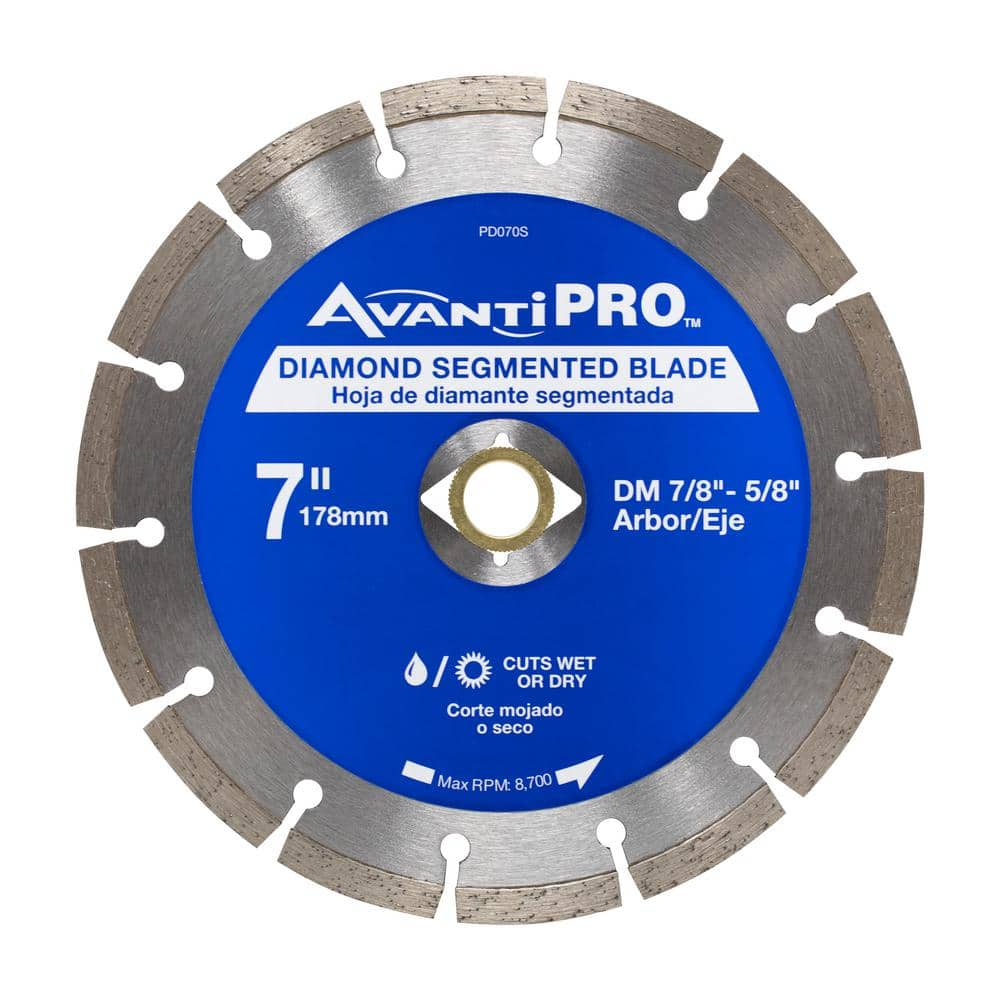
Segmented
- Fastest cut
- Best for heavy construction
Turbo
- Balanced speed & finish
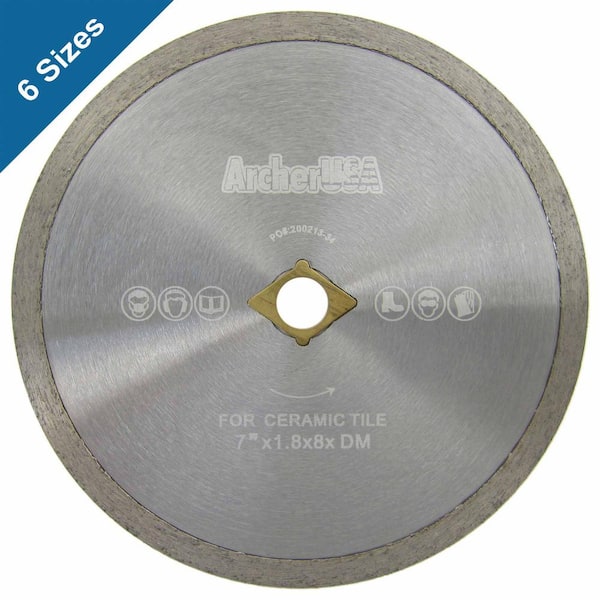
Continuous Rim
- Smooth finish
- Tile / decorative work
For structural concrete → Segmented wins.
💧 Step 5: Wet vs Dry
Wet cutting:
- Longer blade life
- Faster cutting
- Cooler operation
Dry cutting:
- Remodel use
- Short cuts
- Requires cooling breaks
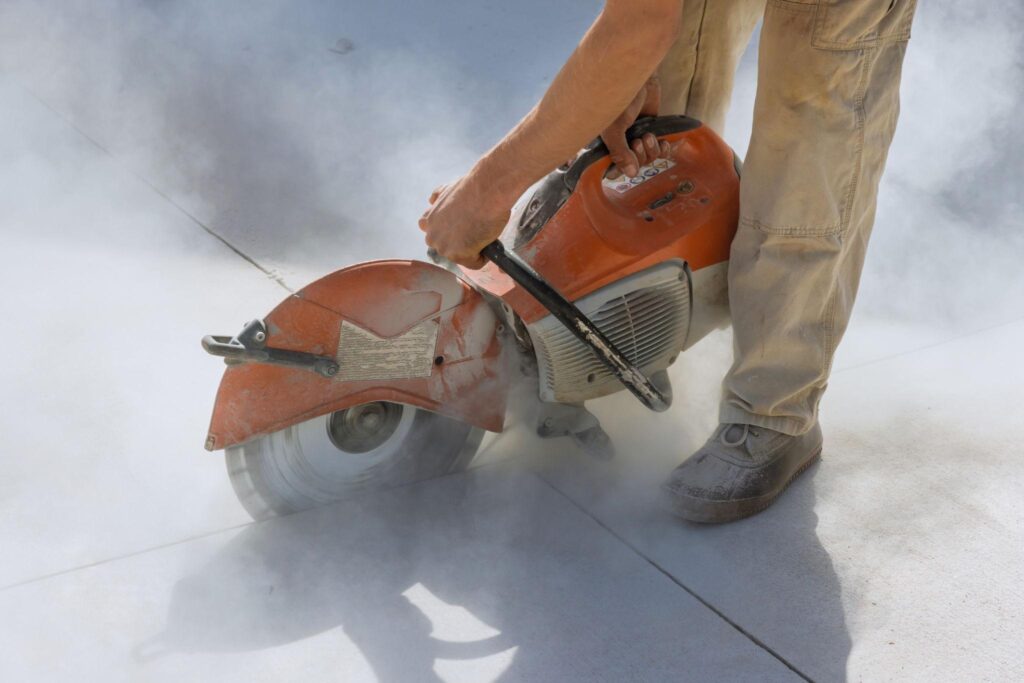
Production work? → Go wet.
💰 The Real Cost Per Cut
Cheap blade:
- $89
- Lasts 1 job

Premium blade:
- $159
- Lasts 3–4 jobs
Which one is cheaper per job?
Professionals calculate cost per cut, not blade price.
🦅 BladeGuyPro Field Checklist
Before buying your next blade:
☐ What concrete hardness?
☐ What aggregate?
☐ Reinforced or not?
☐ Wet or dry?
☐ Saw RPM?
☐ Production or light duty?
Answer these correctly and you stop burning money.
🚧 Want More Contractor Field Guides?
BladeGuyPro delivers real-world diamond tool education built for:
Real Advice. Real Tools. Real Results.
Want more real‑world cutting guides? BladeGuy Pro gives contractors straight answers on blades, bits, and cutting performance — based on 42 years in the field