
4
If you’ve ever walked into a tool store or looked online for a diamond blade, you’ve probably seen three main styles:
- Segmented blades
- Turbo blades
- Continuous rim blades
Each blade is designed for a different cutting purpose, and using the wrong one can mean slow cutting, overheating, or premature blade wear.
After 40+ years working with diamond tooling and helping thousands of contractors, I can tell you this:
Choosing the right blade style makes a huge difference in cutting speed, blade life, and jobsite safety.
Let’s break down how each blade works.
Segmented Diamond Blades

4
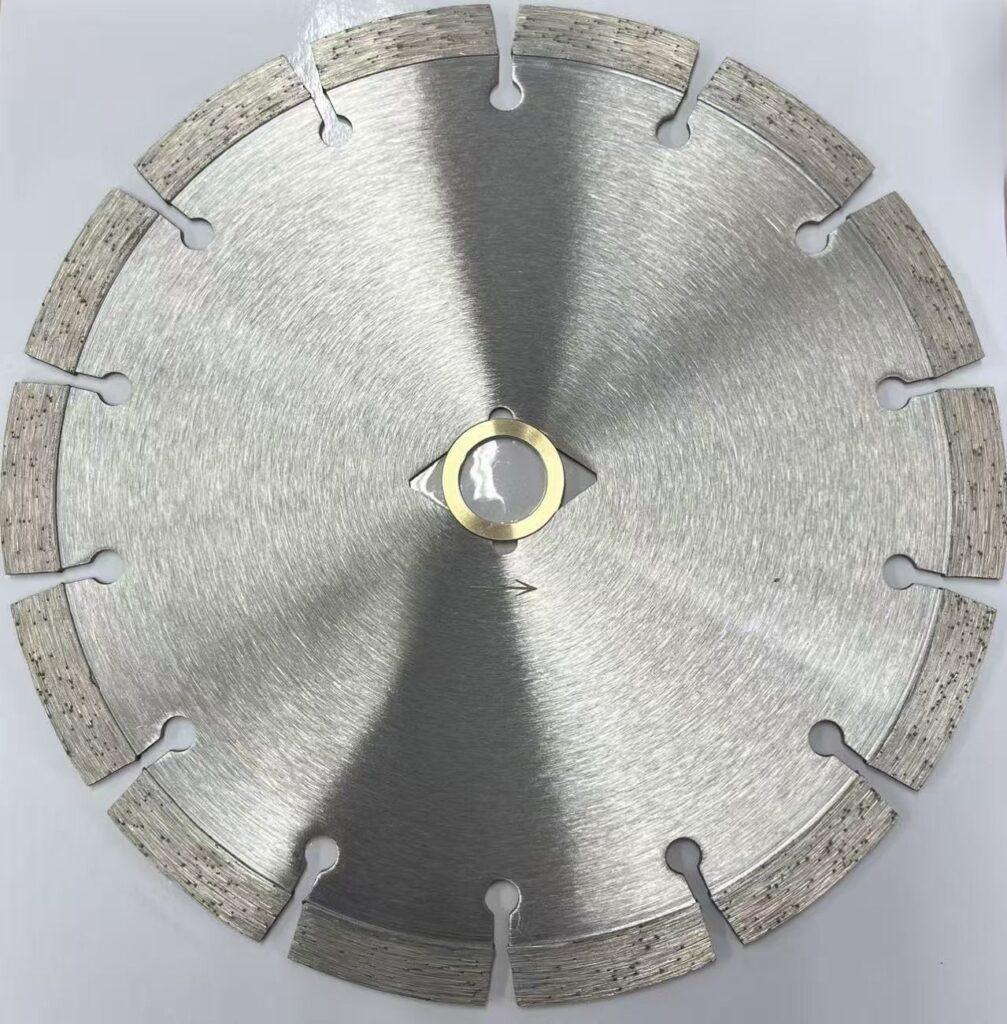
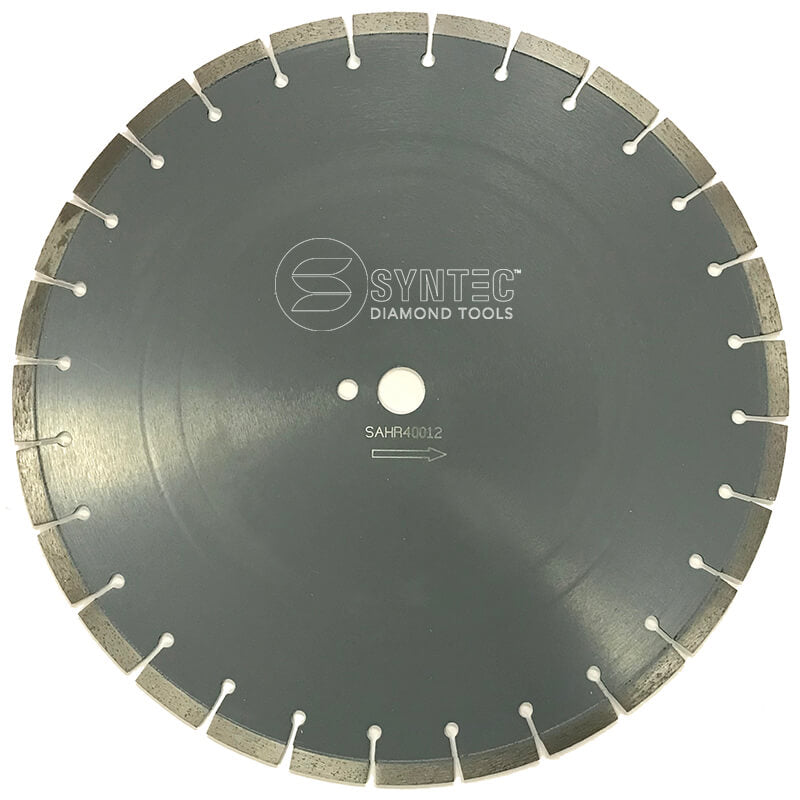
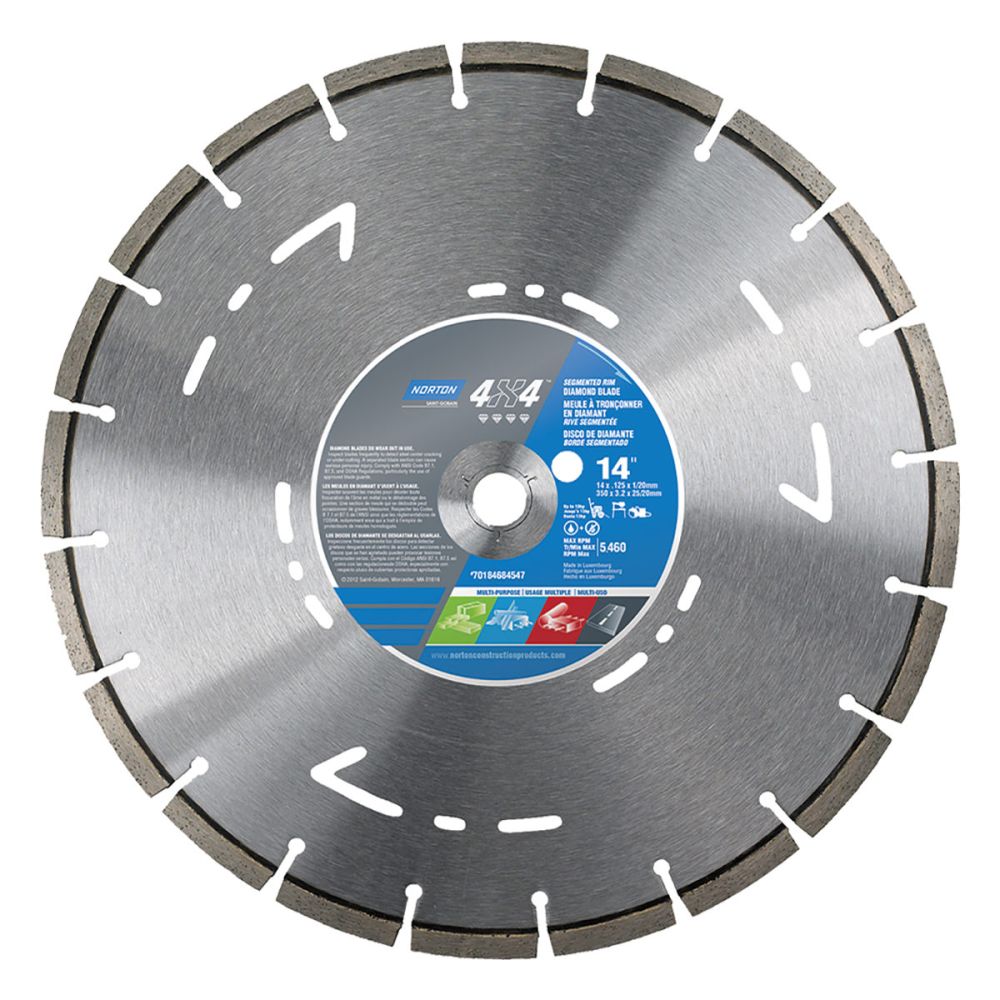
Segmented blades are the most common blade used for heavy construction cutting.
They are easy to recognize because the rim is divided into individual segments with gaps between them.
Those gaps are called gullets.
Why the segments matter
The gullets allow:
- Air cooling
- Slurry removal
- Expansion from heat
This allows segmented blades to run cooler and cut aggressively.
Best materials for segmented blades
Contractors use segmented blades for:
- Concrete
- Asphalt
- Block
- Brick
- Pavers
- Reinforced concrete
Advantages
✔ Fast cutting
✔ Excellent cooling
✔ Handles tough materials
✔ Great for dry cutting
Disadvantages
✘ Rougher cut finish
✘ Can chip delicate materials like tile
Segmented blades are the workhorse of the construction industry.
Turbo Diamond Blades
4
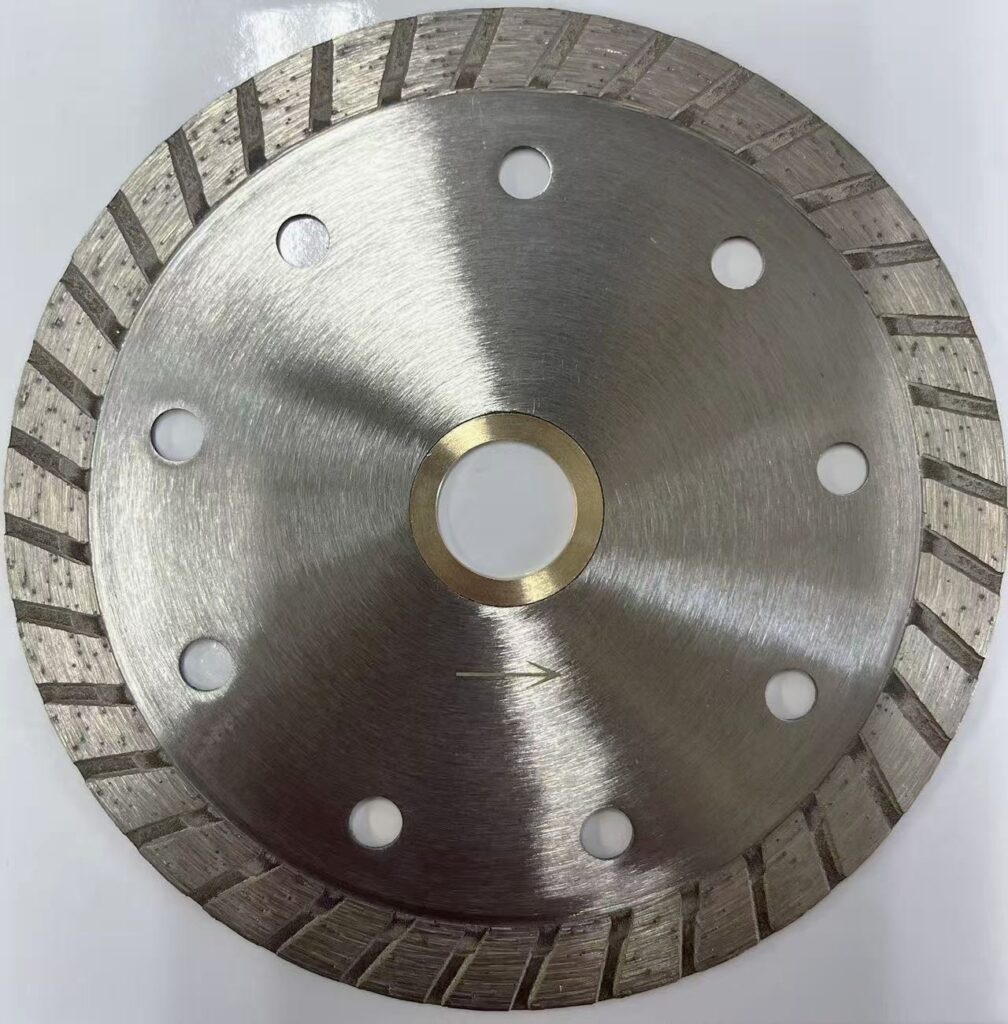
Turbo blades are a hybrid between segmented and continuous rim blades.
Instead of separated segments, the rim has a serrated or wave pattern that runs continuously around the blade.
This design provides:
- Faster cutting than continuous rim
- Smoother cuts than segmented blades
Best materials for turbo blades
Turbo blades are commonly used on:
- Brick
- Block
- Concrete
- Stone
- Pavers
They are especially popular on handheld saws and angle grinders.
Advantages
✔ Faster cutting than smooth rim
✔ Cleaner cuts than segmented
✔ Good balance of speed and finish
Disadvantages
✘ Not as aggressive as segmented blades
✘ Can still chip delicate tile
Turbo blades are a great general purpose blade when contractors want both speed and decent finish.
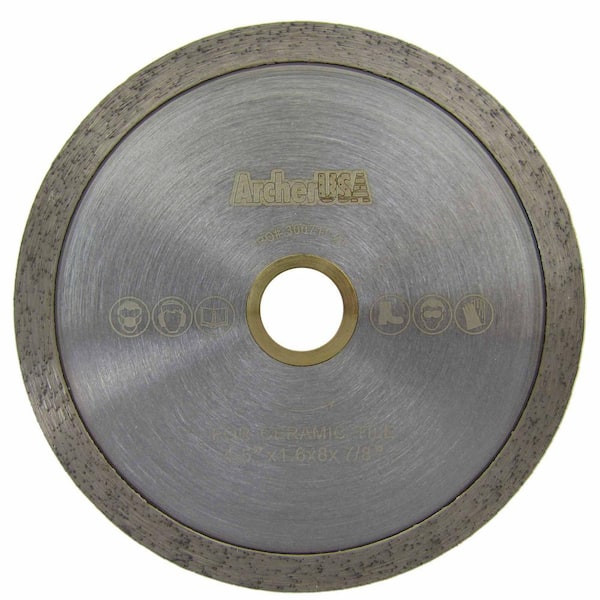
Continuous Rim Diamond Blades


4
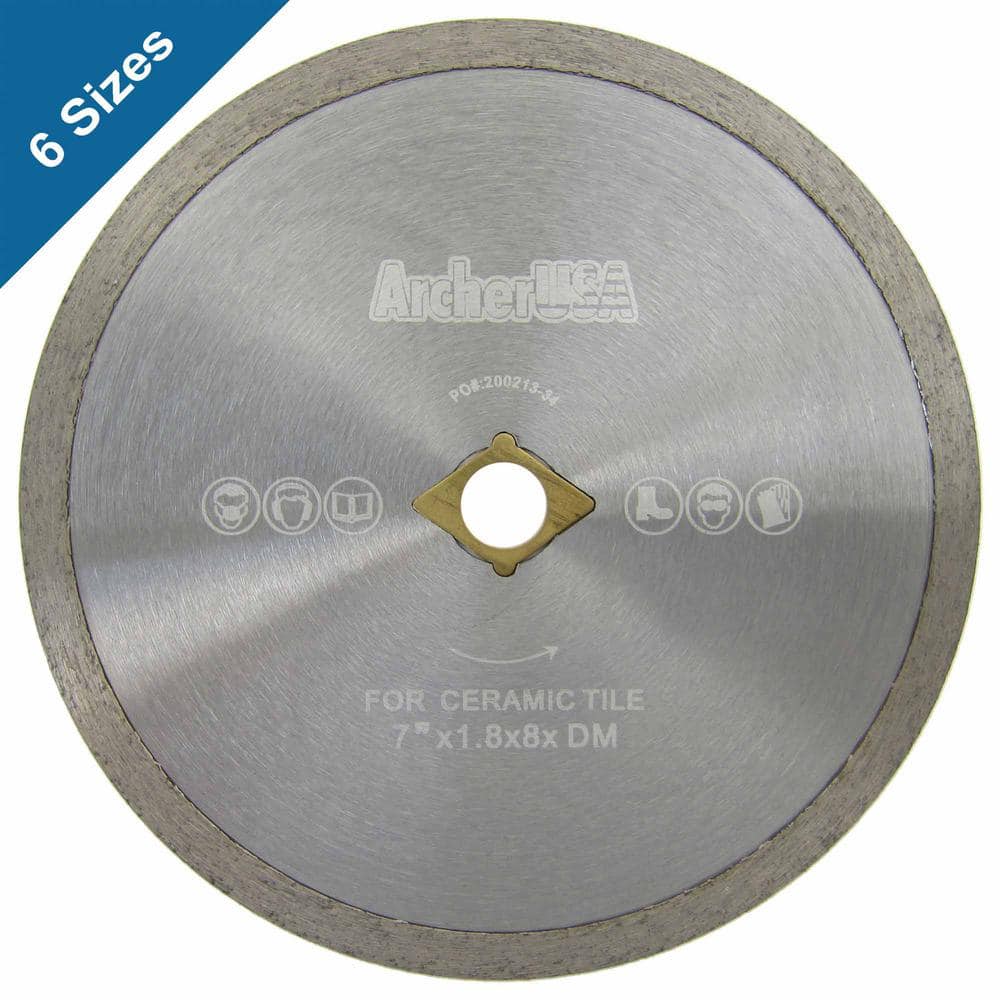
Continuous rim blades have a solid smooth edge with no segments.
This design creates very smooth, chip-free cuts, which is critical when cutting delicate materials.
However, because there are no gullets for cooling, these blades usually require water while cutting.
Best materials for continuous rim blades
These blades are designed for:
- Ceramic tile
- Porcelain
- Granite tile
- Marble
- Glass tile
Advantages
✔ Extremely smooth cuts
✔ Minimal chipping
✔ Ideal for finished surfaces
Disadvantages
✘ Slower cutting speed
✘ Requires water cooling
✘ Not designed for heavy concrete cutting
Continuous rim blades are precision blades, not construction demolition tools.
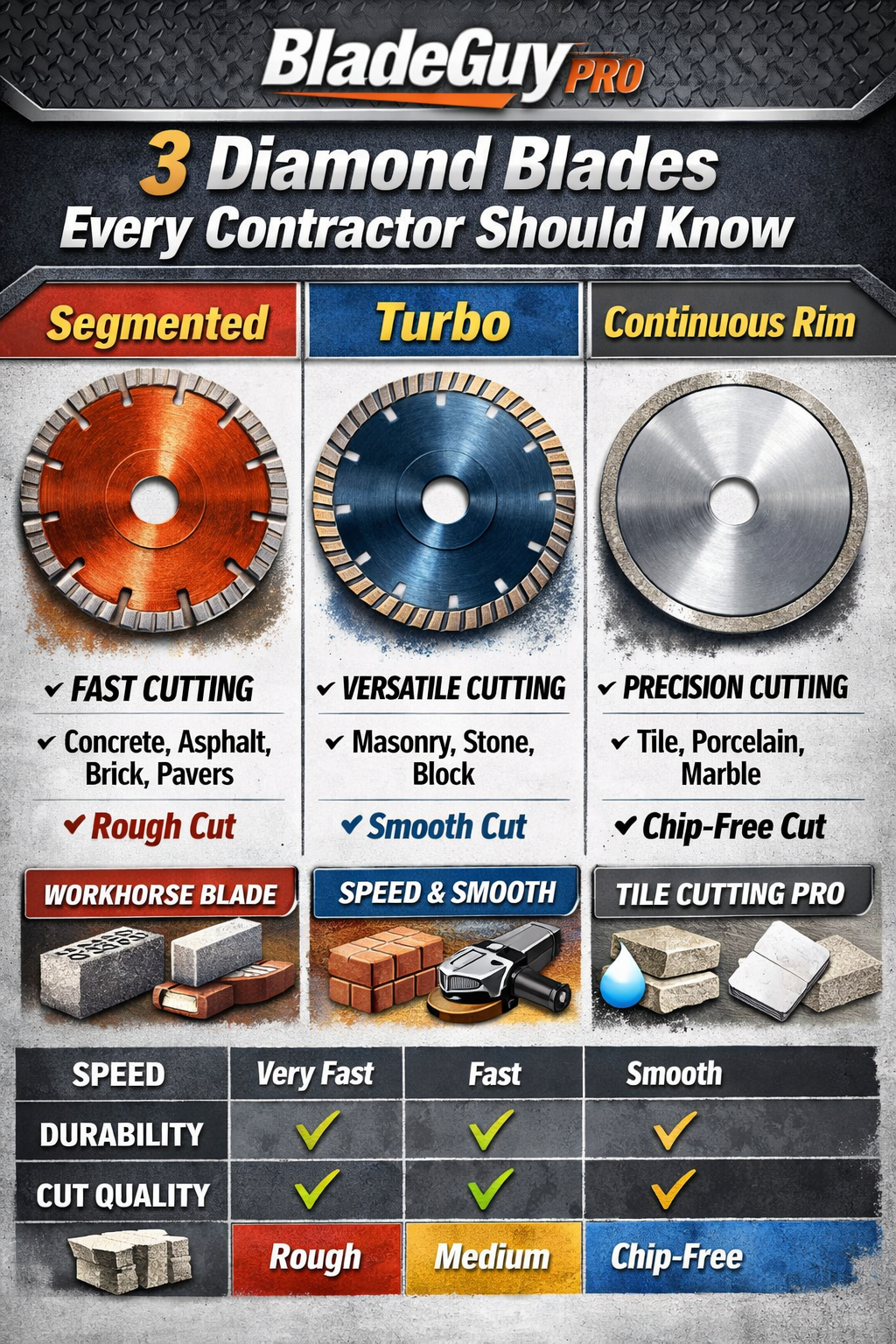
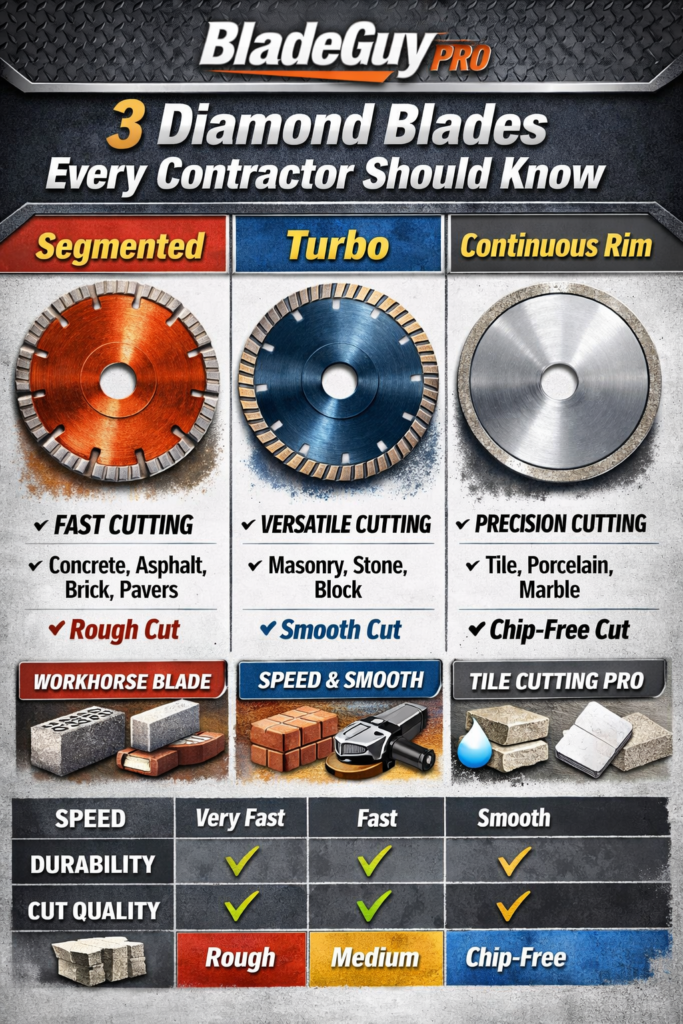
Quick Comparison
| Blade Type | Speed | Cut Quality | Best For |
|---|---|---|---|
| Segmented | Very Fast | Rougher | Concrete, asphalt |
| Turbo | Fast | Medium | Masonry, stone |
| Continuous Rim | Slower | Very Smooth | Tile, porcelain |
BladeGuy Pro Contractor Tip
One of the biggest mistakes contractors make is trying to use one blade for everything.
Using the wrong blade leads to:
- Slow cutting
- Overheating
- Glazing
- Premature blade wear
The right blade can cut faster, last longer, and save money on the jobsite.
Final Thought from BladeGuy Pro
Diamond blades are not just pieces of steel with diamonds on them.
They are precision tools designed for specific materials.
When you understand the difference between segmented, turbo, and continuous rim blades, you can:
- Cut faster
- Reduce blade wear
- Avoid costly mistakes
And that’s exactly what BladeGuy Pro is here to help contractors do.

1 comment