Know When to Use Each — And When You’re Destroying Your Bit
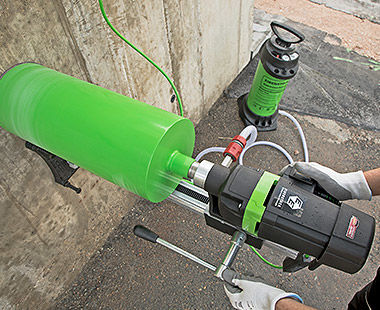
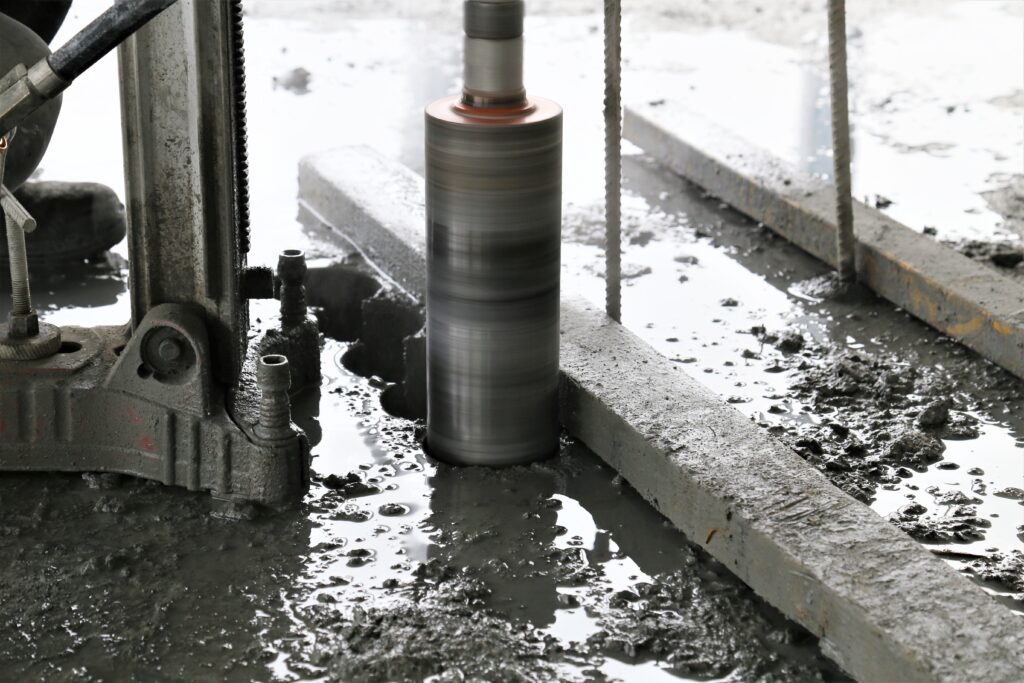
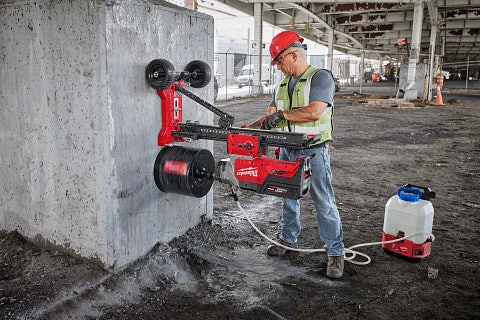
💧 WET CORING (Professional Standard)
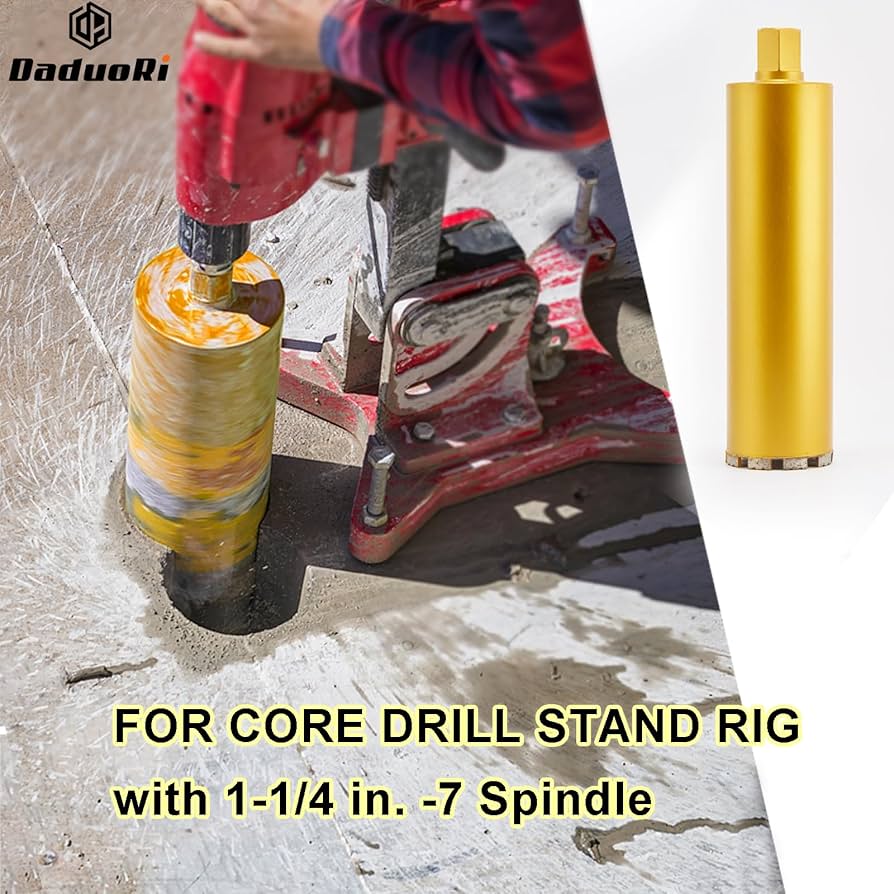
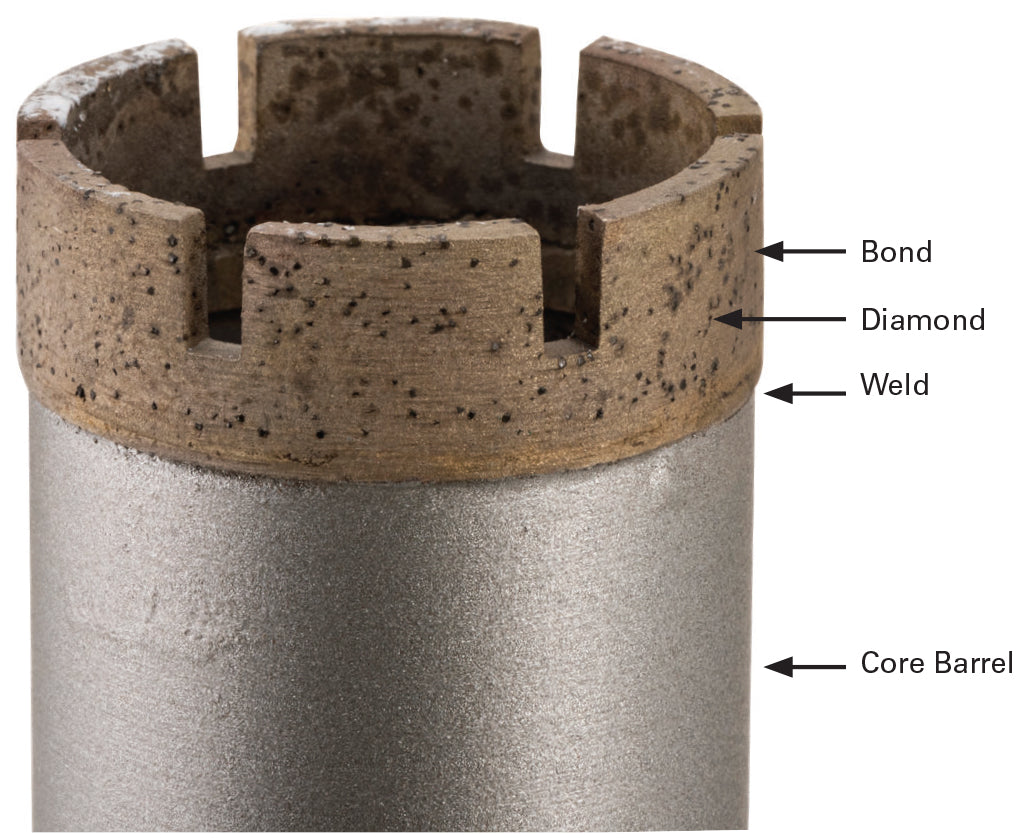
4
✅ Best For:
- Reinforced concrete
- Large diameter holes
- Deep core drilling
- Production jobs
✔ Advantages:
- Maximum cooling
- Longer bit life
- Faster penetration
- Cleaner cores
- Less glazing
⚠ Watch For:
- Proper water flow
- Slurry removal
- Controlled RPM
Bottom Line:
Wet coring protects your diamonds and your investment.
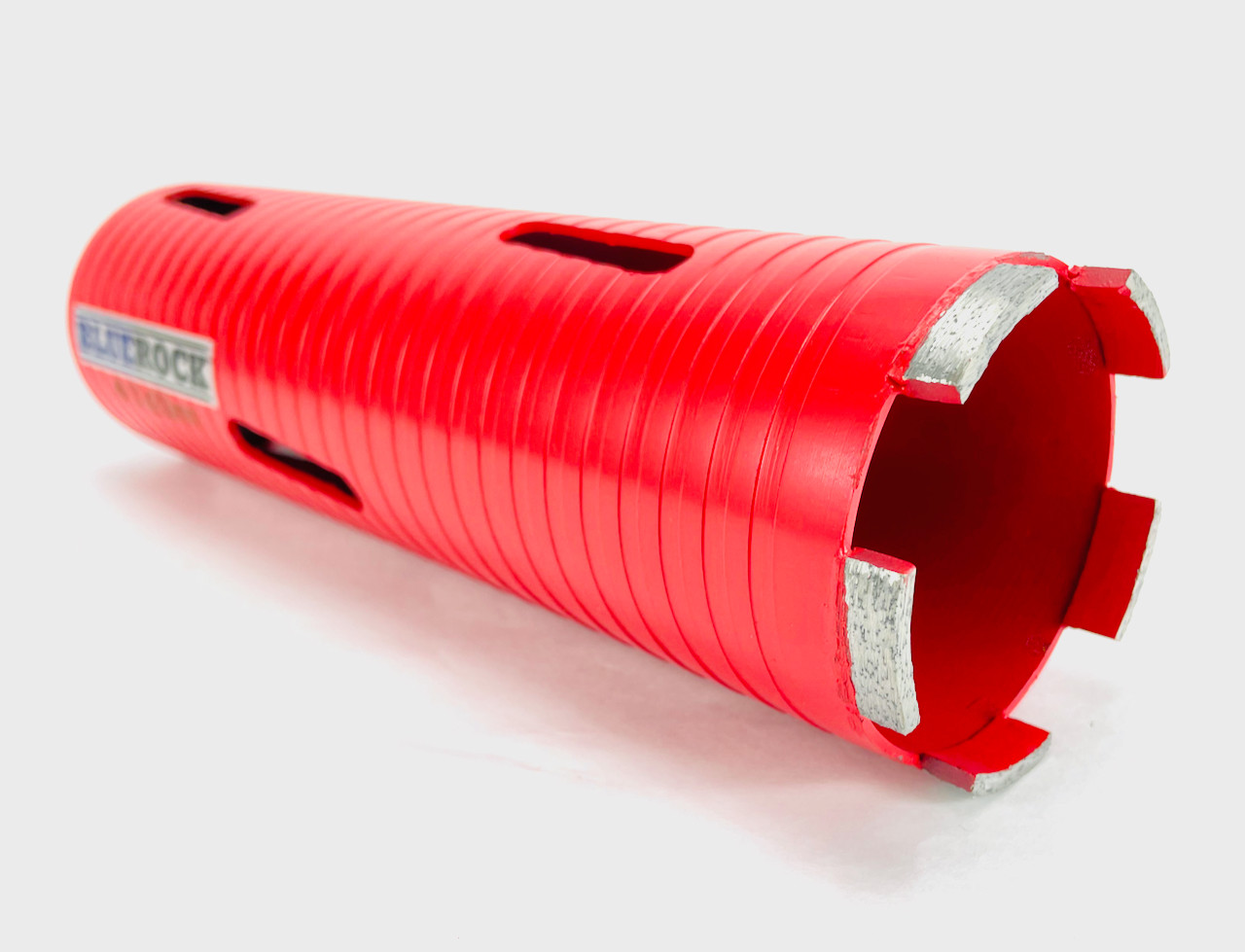
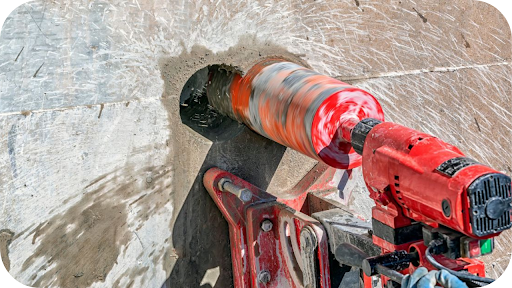
🌬 DRY CORING (Specialty Use Only)
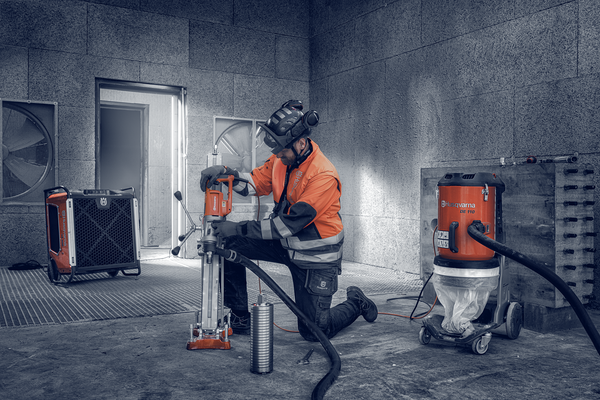
4
✅ Best For:
- Indoor remodel work
- HVAC/ MECHANICAL
- Areas with water restrictions
- Shallow holes
- Masonry block
✔ Advantages:
- No water cleanup
- Faster setup
❌ Risks:
- Overheating
- Glazing
- Rapid segment wear
- Shortened bit life
- More stress on barrel
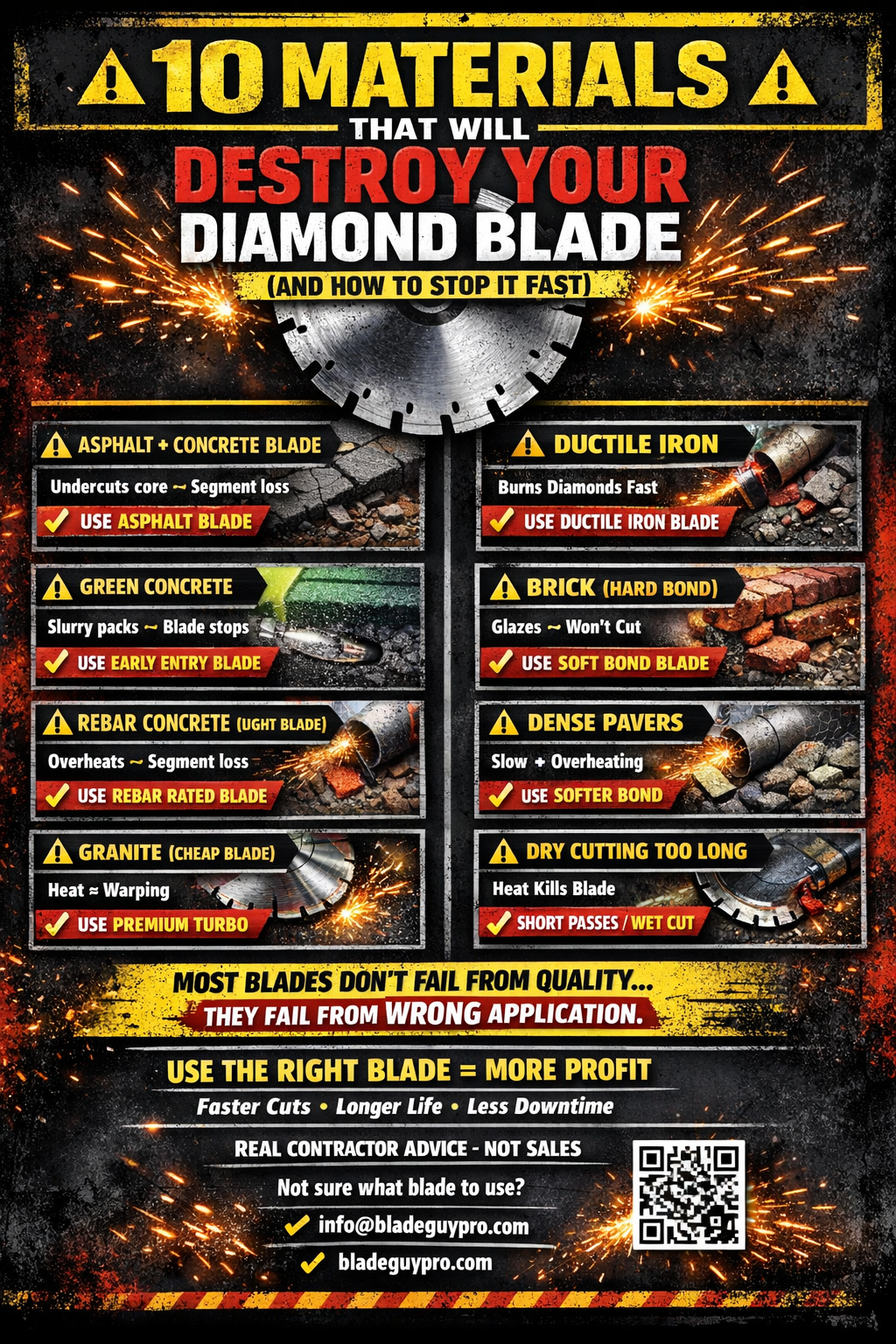
- Materials that destroy cores
Bottom Line:
Dry coring is situational — not production drilling.
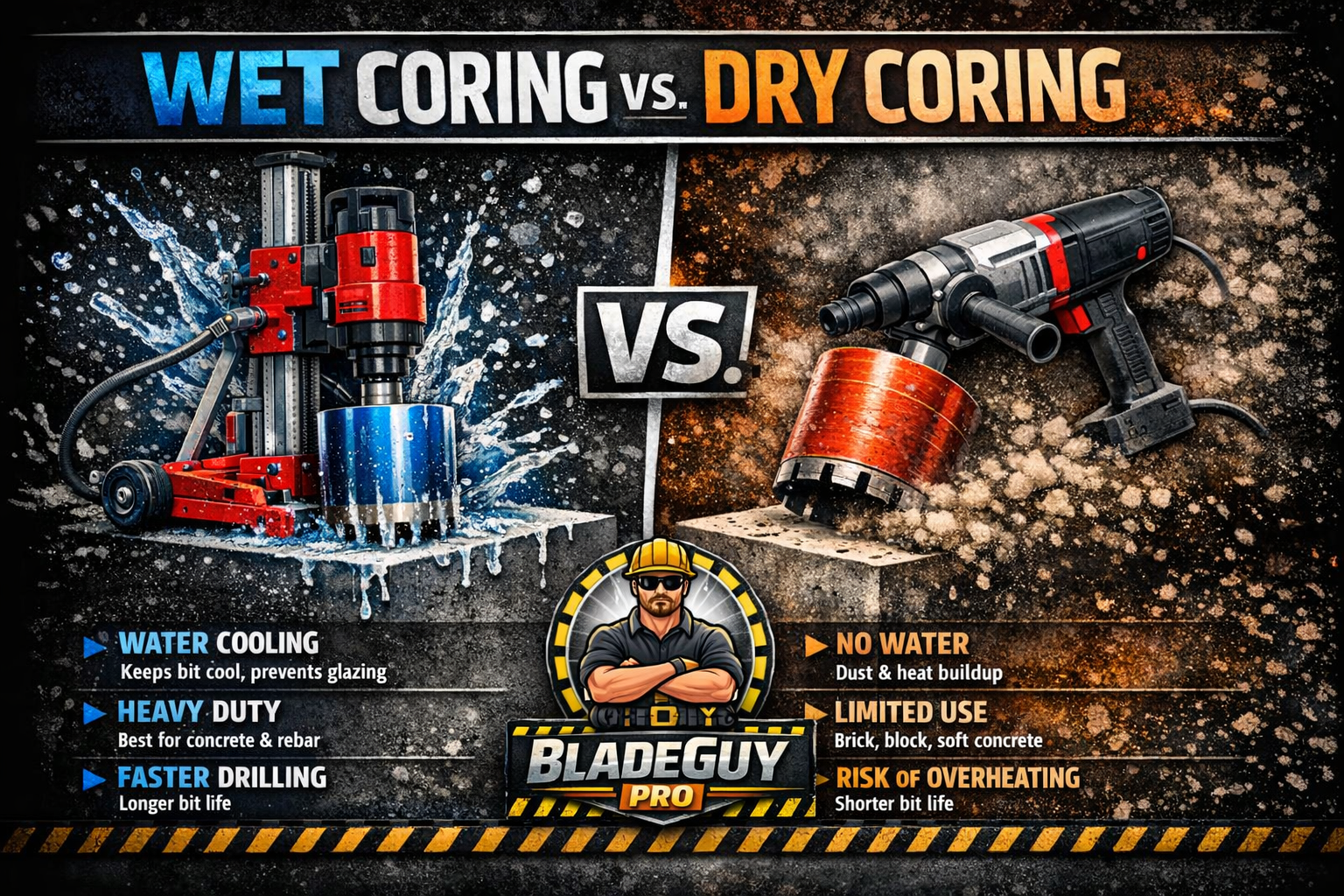
⚖ HEAD-TO-HEAD COMPARISON
| Category | Wet Coring | Dry Coring |
|---|---|---|
| Cooling | Excellent | Minimal |
| Bit Life | Longest | Shorter |
| Speed | Faster | Slower under load |
| Dust | None (slurry) | High |
| Ideal For | Production work | Light duty / special conditions |
🦅 BladeGuyPro Pro Take
Wet coring is the professional standard.
If you’re drilling concrete regularly, wet coring is the professional standard. Dry coring is for special conditions — not production drilling. Diamonds cut best when they stay cool.