
The Right Cut Depth Can Save Time, Blades, and Labor
bladeguypro.com/
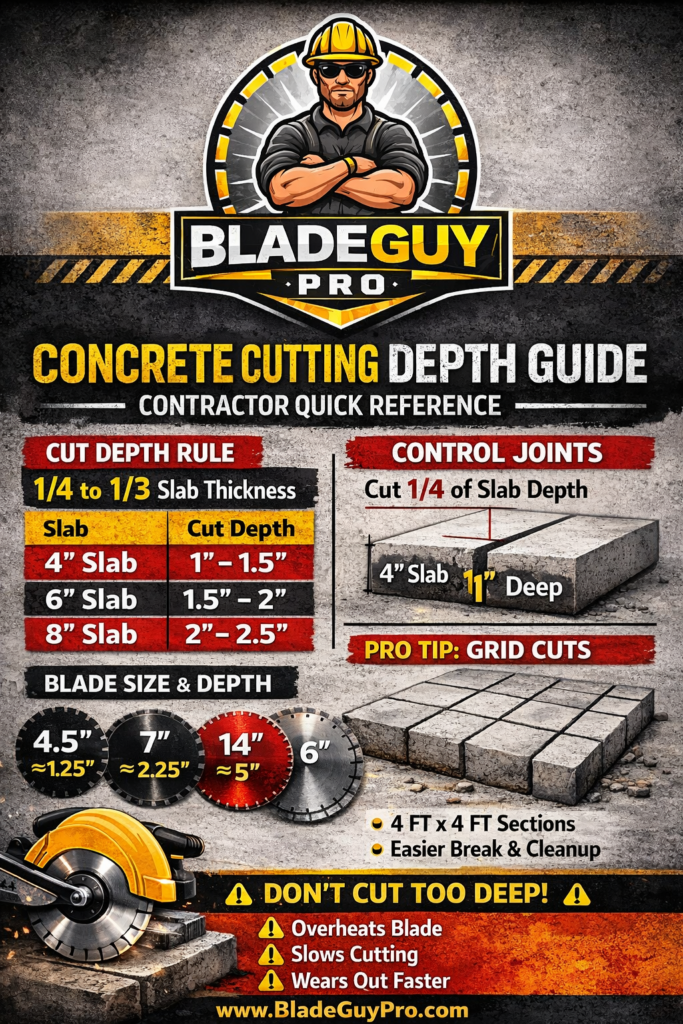
One of the most common mistakes contractors make when cutting concrete is cutting either too deep or too shallow. Both can slow down the job, wear out expensive diamond blades, and make breaking concrete much harder than it needs to be.
After 40+ years working with diamond tools, the rule is simple:
👉 Most concrete should be cut about 1/4 to 1/3 of the slab thickness.
This depth creates a controlled fracture line so the concrete breaks cleanly without wasting time or destroying blades.
Concrete Cutting Depth Quick Guide

4
Typical Slab Depth Cutting Chart
| Slab Thickness | Recommended Cut Depth |
|---|---|
| 4″ driveway | 1″ – 1.5″ |
| 5″ garage slab | 1.25″ – 1.75″ |
| 6″ commercial slab | 1.5″ – 2″ |
| 8″ heavy slab | 2″ – 2.5″ |
Contractor tip: You do NOT need to cut all the way through the slab.
The cut simply creates a weak point where the concrete will break cleanly.
Control Joint Cutting Depth
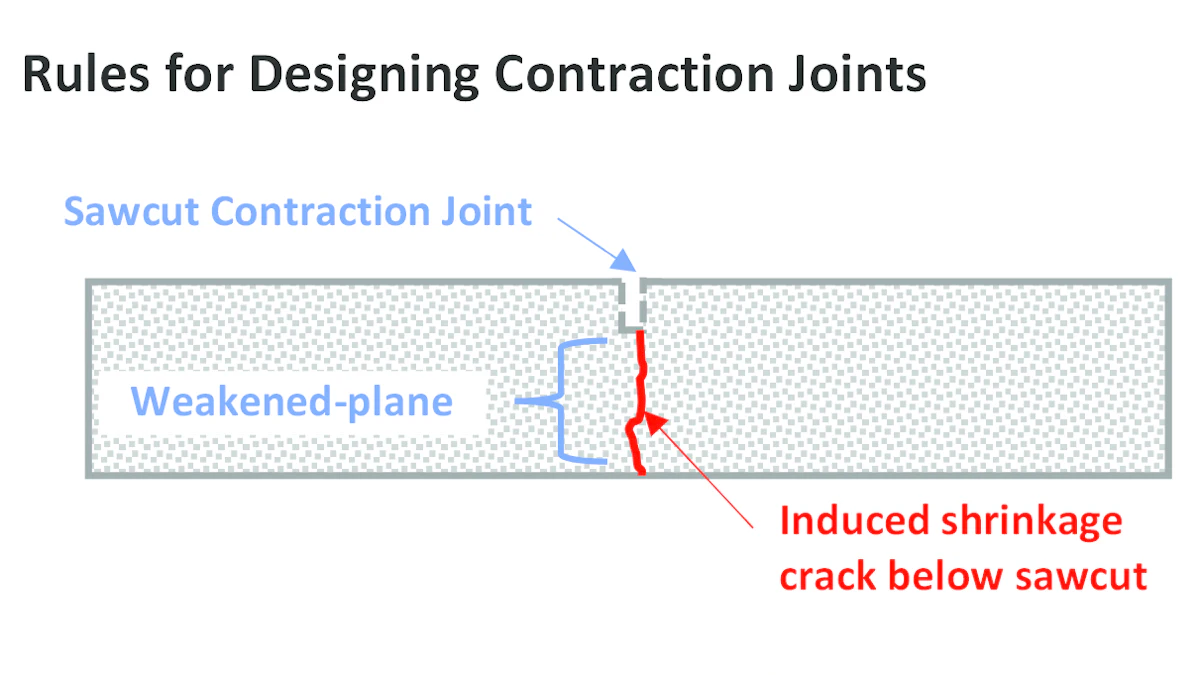
When cutting control joints, the goal is different. You are creating a place where the concrete can crack naturally.
The standard rule used across the construction industry is:
👉 Control joint depth = 1/4 of the slab thickness
Examples:
| Slab Thickness | Joint Depth |
|---|---|
| 4″ slab | 1″ joint |
| 5″ slab | 1.25″ joint |
| 6″ slab | 1.5″ joint |
If joints are cut too shallow, random cracking will occur instead of controlled cracking.
Why Cutting Too Deep Is a Big Mistake
Many contractors think cutting deeper will make the slab easier to break. In reality, it usually causes more problems.
Problems with cutting too deep
• Overheats the blade
• Slows cutting speed
• Wears segments faster
• Puts unnecessary strain on the saw
• Consumes more fuel and time
Concrete cutting works best when you let the diamond blade do the work instead of forcing it.
Blade Size vs Cutting Depth
4
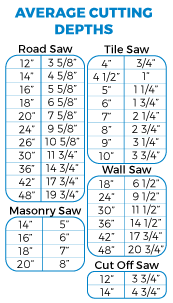
Typical maximum cutting depths:
| Blade Size | Approximate Max Cut Depth |
|---|---|
| 4.5″ grinder | ~1.25″ |
| 7″ grinder | ~2.25″ |
| 10″ saw | ~3″ |
| 12″ saw | ~4″ |
| 14″ saw | ~5″ |
| 16″ saw | ~6″ |
Always check the manufacturer’s recommended max depth for your specific saw.
Pro Contractor Trick: Grid Cut Before Breaking
If you’re removing a slab, try this method used by demolition crews.
1️⃣ Cut the slab into 4 ft x 4 ft grid squares
2️⃣ Cut about 1/4–1/3 slab depth
3️⃣ Break each section with a jackhammer
Benefits:
• Faster demolition
• Smaller break pieces
• Less jackhammer vibration
• Less worker fatigue
Another Tip: Multiple Passes Cut Faster
Instead of forcing one deep cut:
Make two shallow passes.
Example:
First pass → 3/4″
Second pass → full depth
This:
✔ Reduces blade heat
✔ Improves cutting speed
✔ Extends blade life
Safety Reminder
Always follow basic cutting safety:
• Wear eye protection
• Use respiratory protection for silica dust
• Maintain proper blade RPM
• Use wet cutting when possible
Safety and blade performance go hand-in-hand.
Final Thoughts from BladeGuy Pro
Concrete cutting isn’t about brute force — it’s about smart technique and the right blade for the job.
Remember:
👉 1/4 to 1/3 slab depth is the sweet spot for most cuts.
Cutting deeper usually costs more time, more blades, and more money.
More Contractor Tips
For more real-world diamond blade knowledge from 40+ years in the industry, visit:
bladeguypro.com/ OR EMAIL US AT INFO@BLADEGUYPRO.COM
You’ll find practical guides on:
- Diamond blade troubleshooting
- Wet vs dry cutting
- How to sharpen diamond blades
- Jobsite mistakes that destroy blades
Built for contractors who want their blades to cut faster and last longer. 🔧🧱