Contractor Jobsite Guide
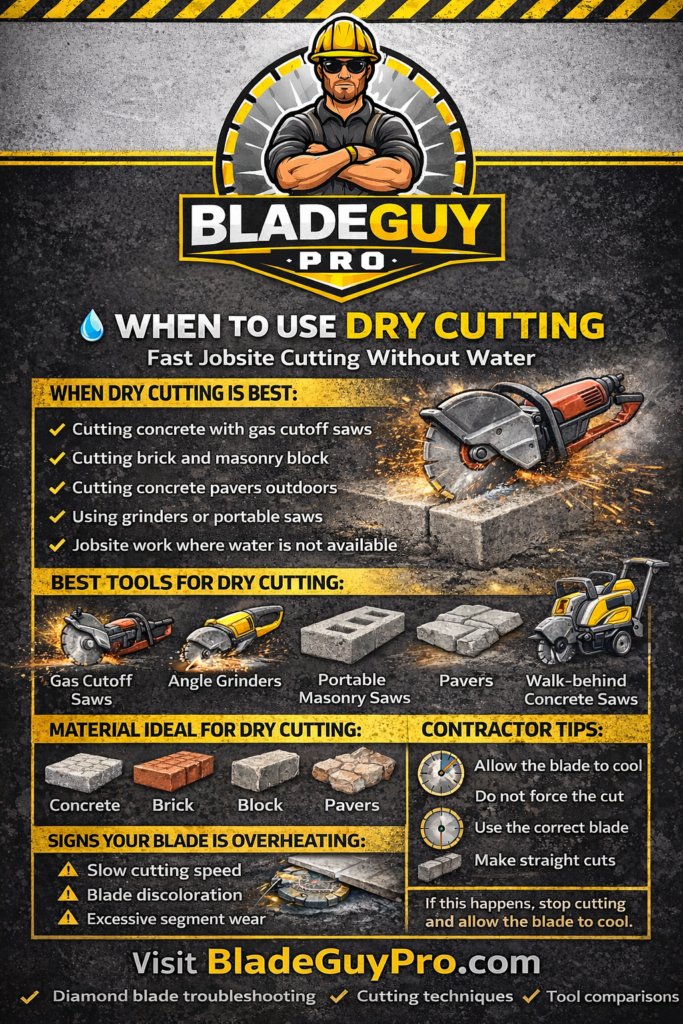
Dry cutting is one of the most common methods contractors use when cutting concrete, brick, block, and masonry materials. While wet cutting has advantages for cooling and dust control, dry cutting is often the best option for portability and speed on the jobsite.
Understanding when to use dry cutting can improve productivity and prevent unnecessary blade wear.
What Is Dry Cutting?
Dry cutting means cutting materials without water cooling the blade.
The blade relies on:
• Airflow for cooling
• Proper blade design
• Operator technique
Most gas cutoff saws and angle grinders are designed for dry cutting.
When Contractors Should Use Dry Cutting
Dry cutting works best in situations where mobility and speed matter most.
Cutting Concrete with Gas Cutoff Saws
4
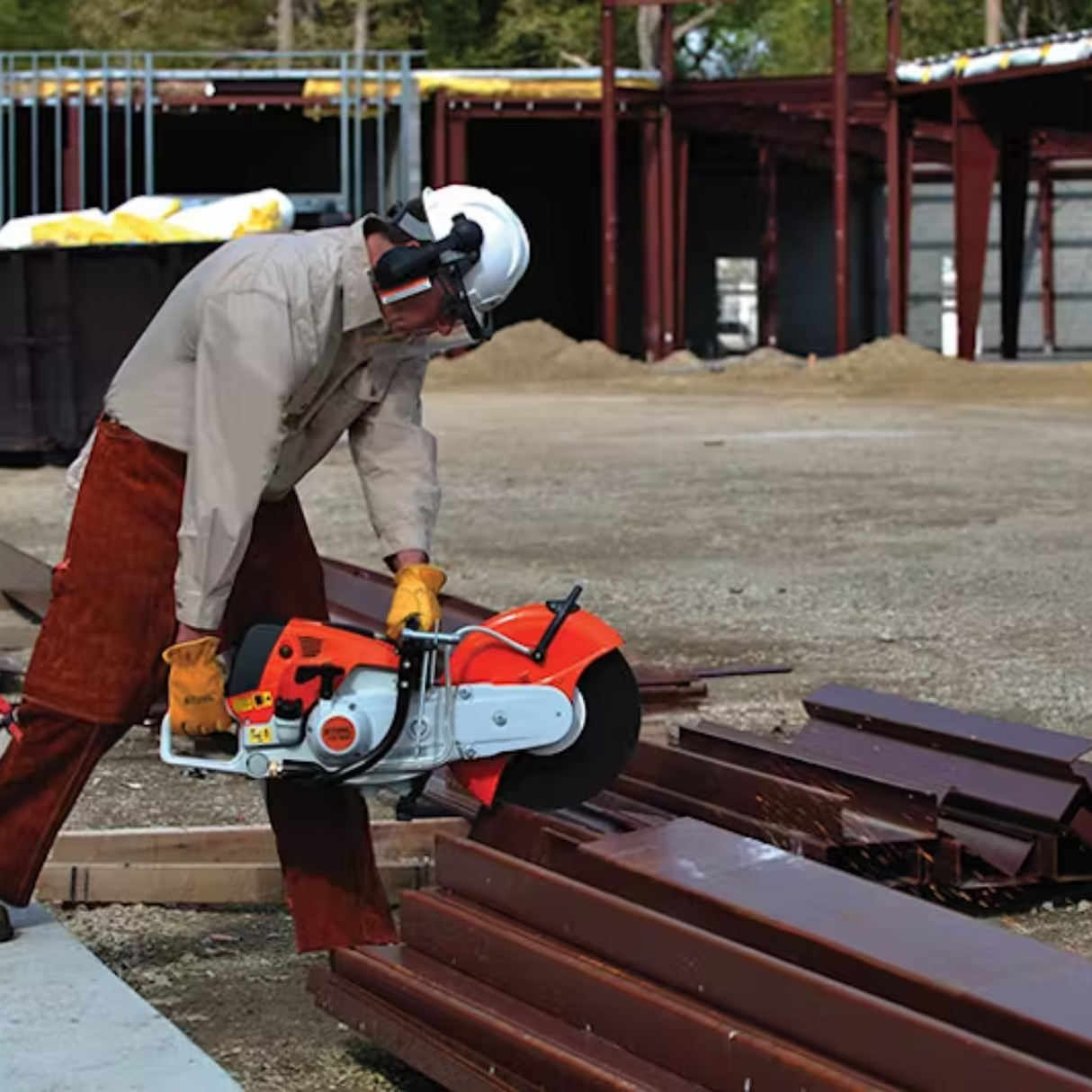
Gas-powered cutoff saws are commonly used for:
• Sidewalk cuts
• Concrete repairs
• Expansion joints
• Road work
These saws are designed for dry cutting segmented blades.
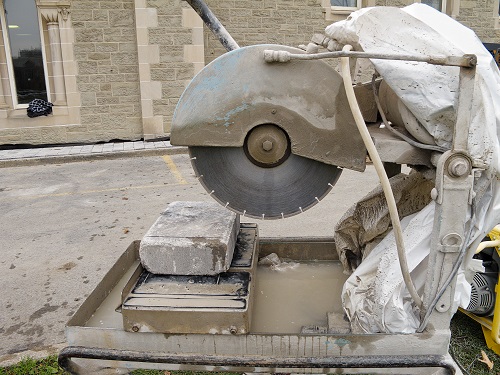
Cutting Brick and Block

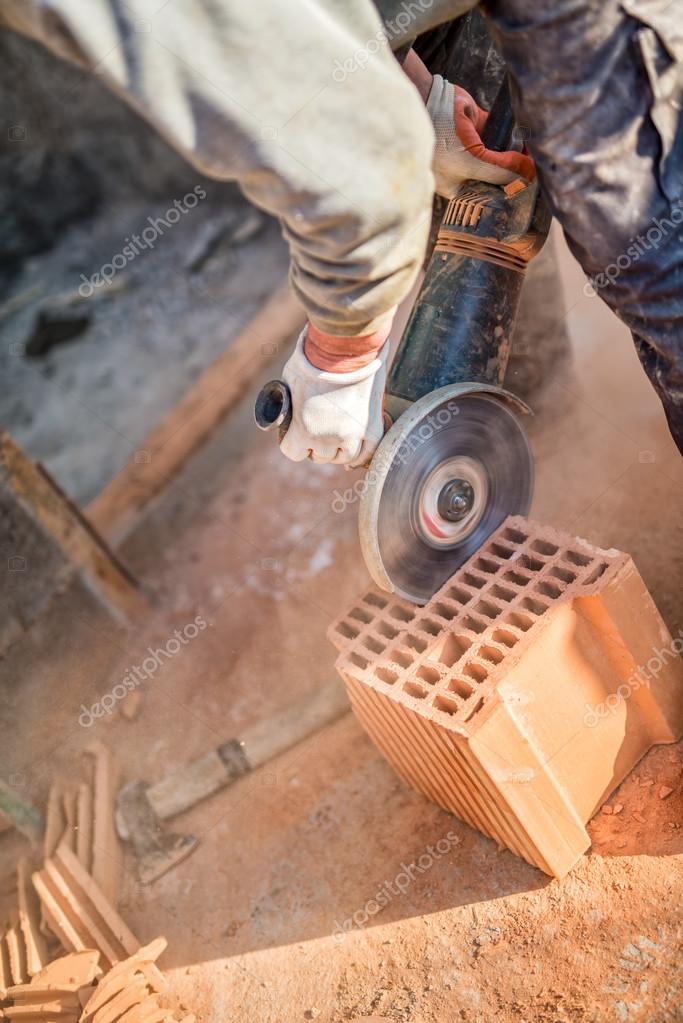
4
Brick and block are ideal materials for dry cutting.
Benefits include:
• Fast cutting speed
• Portable tools
• No water setup required
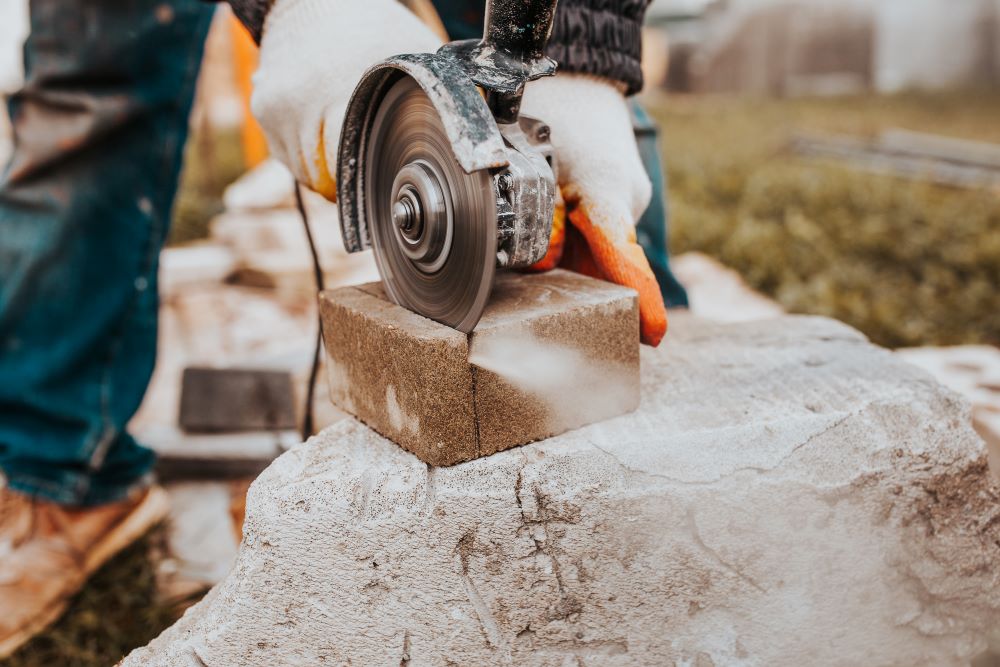
Many masonry contractors prefer grinders or cutoff saws for these cuts.
Cutting Pavers Outdoors


4
Outdoor landscaping work often uses dry cutting for:
• Patio pavers
• Retaining wall blocks
• Landscaping stone
Water is often unnecessary for these cuts.
Advantages of Dry Cutting
Dry cutting offers several jobsite benefits.
Portability
No hoses, pumps, or water supply required.
Faster Setup
Contractors can start cutting immediately.
Ideal for Outdoor Work
Dust disperses more easily outdoors.
Works with Handheld Tools
Dry cutting is common with:
• Angle grinders
• Gas cutoff saws
• Portable masonry saws
Contractor Tips for Dry Cutting
These tips help prevent blade damage.
Allow the Blade to Cool
Every 20–30 seconds, lift the blade out of the cut and let it spin freely.
Do Not Force the Cut
Too much pressure causes overheating.
Use the Correct Blade
Segmented blades are designed for dry cutting applications.
Make Straight Cuts
Twisting the blade can damage the core.
Wet Cutting vs Dry Cutting
Contractors should understand both methods.
| Wet Cutting | Dry Cutting |
|---|---|
| Longer blade life | Faster setup |
| Less dust | Portable tools |
| Cleaner cuts | Ideal outdoors |
| Best for tile & stone | Best for concrete & masonry |
Final Thoughts
Dry cutting is the preferred method for many jobsite applications, especially when using cutoff saws, grinders, and portable masonry tools.
When used correctly, dry cutting can deliver fast, efficient results while keeping tools mobile and easy to use.
Understanding when to use dry cutting versus wet cutting helps contractors work more efficiently and extend blade life.
More Contractor Guides at BladeGuyPro
BladeGuyPro provides practical jobsite advice including:
• Diamond blade troubleshooting
• Cutting techniques
• Tool comparisons
• Contractor safety tips
Real issues. Real answers. From the jobsite.
💡 Traffic tip:
This article can rank for several high-volume search terms:
- dry cutting diamond blade
- cutting concrete without water
- dry cutting concrete
- cutoff saw cutting guide