
Everything Contractors Need to Know
Diamond blades are one of the most essential tools on any construction jobsite. Whether you’re cutting concrete, brick, tile, asphalt, pavers, or stone, using the right blade makes the difference between a smooth cut and a frustrating day burning through blades.
After 40+ years working with diamond tooling, I’ve seen nearly every blade problem contractors encounter. This guide will teach you how diamond blades work, how to choose the right one, and how to get the maximum life from your blades.
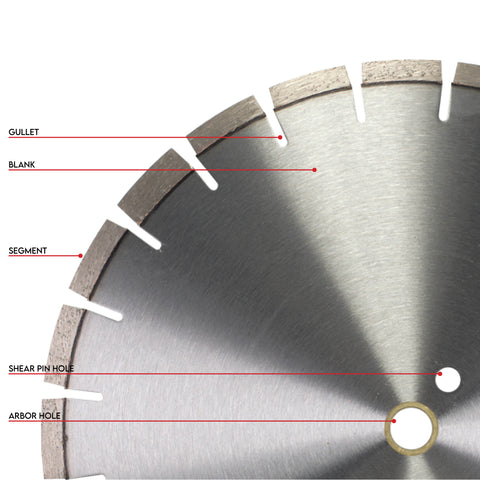
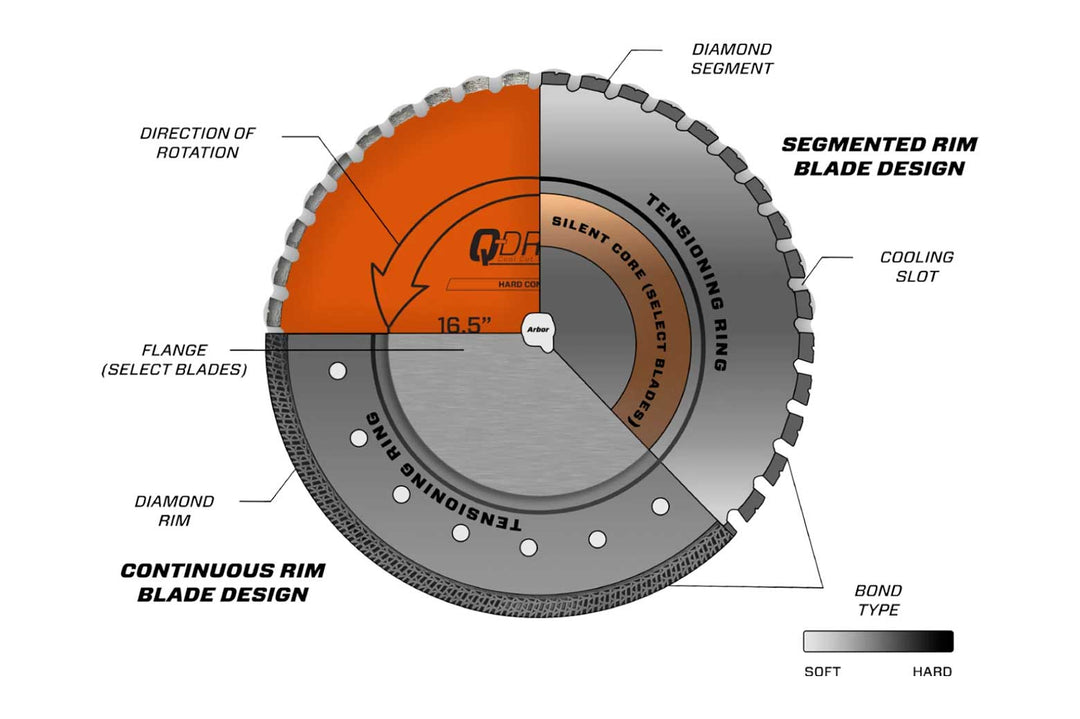
Diamond Blade Anatomy
4
Diamond blades are made of four key parts:
Core
The steel body that supports the blade.
Segments
The cutting edge containing industrial diamonds.
Metal Bond
Holds diamonds in place while they grind material.
Gullets
Spaces between segments that allow cooling and debris removal.
Diamond blades do not cut like knives. They grind material using exposed industrial diamonds.
The Three Main Types of Diamond Blades
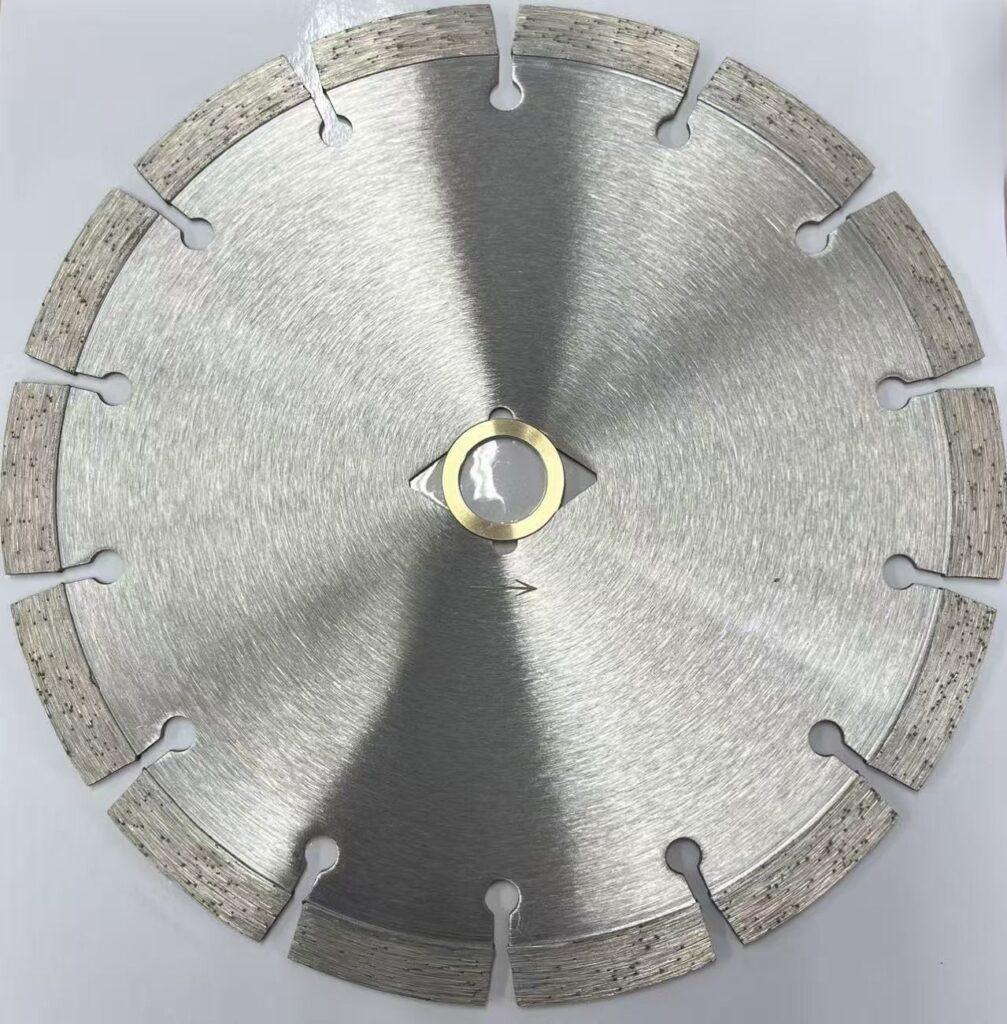
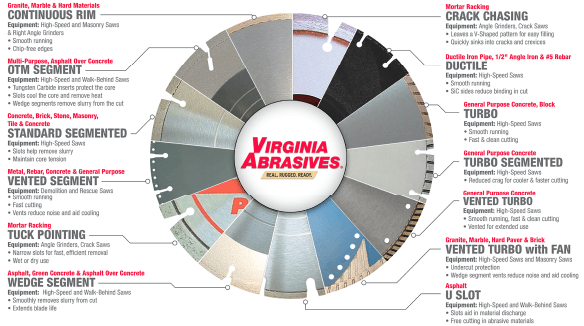
Segmented Blades
Best for:
• Concrete
• Brick
• Block
• Masonry
Advantages:
✔ Fast cutting
✔ Excellent cooling
✔ Ideal for dry cutting
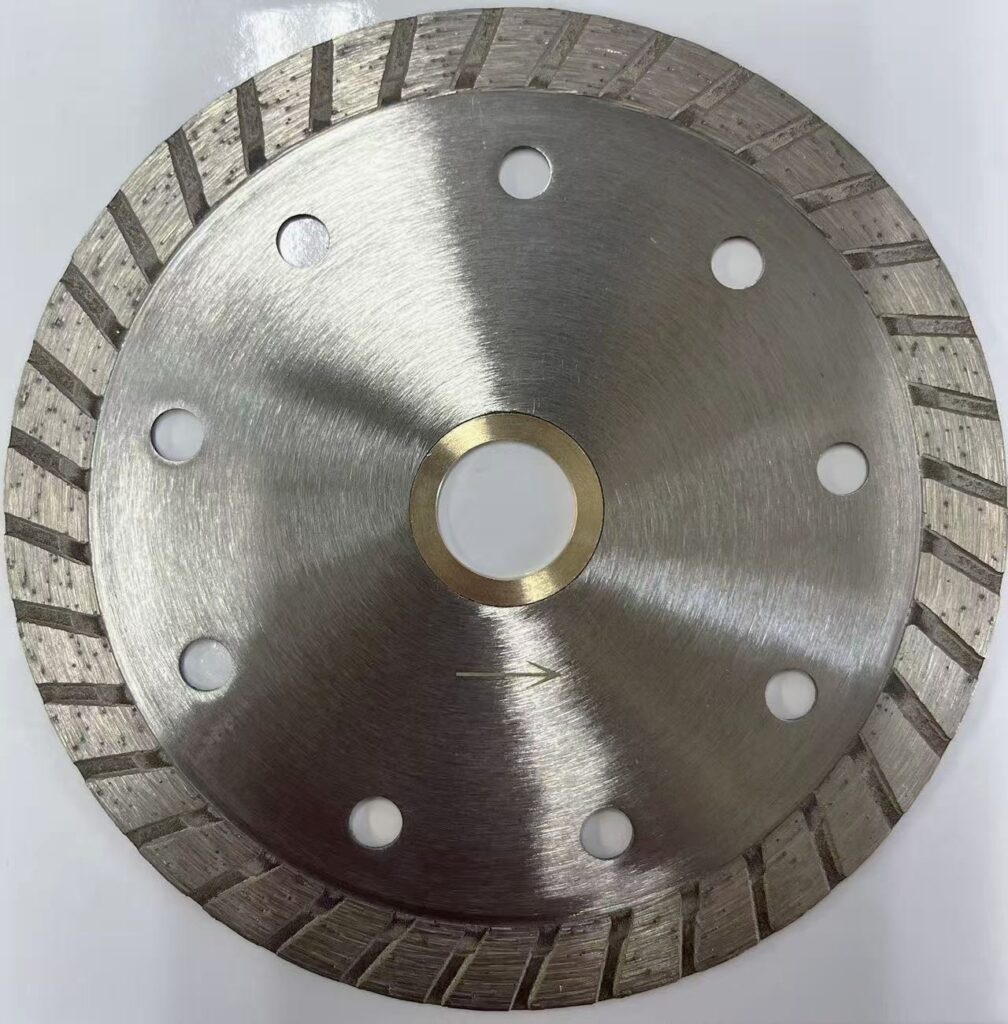
Turbo Blades
Best for:
• Stone
• Granite
• Pavers
• Hard masonry
Advantages:
✔ Faster cutting
✔ Smoother finish
✔ Good balance of speed and durability
Continuous Rim Blades
Best for:
• Porcelain tile
• Ceramic tile
• Marble
• Glass
Advantages:
✔ Smoothest cuts
✔ Chip-free finish
✔ Ideal for wet cutting
Diamond Blade Bond Hardness
4
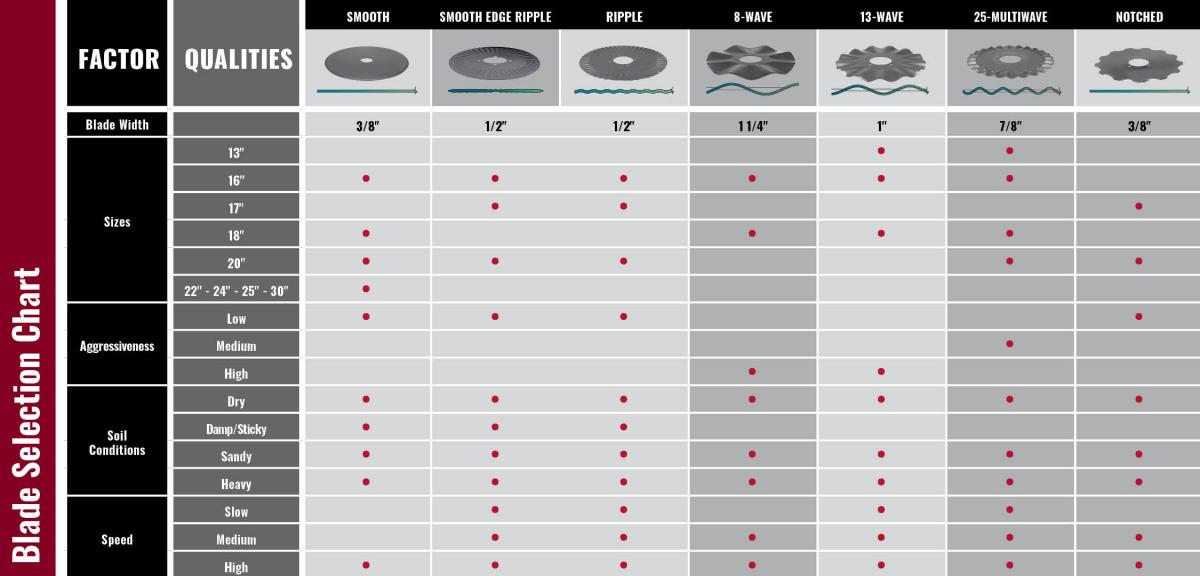
Bond hardness is the most misunderstood factor in diamond blades.
Hard Materials
Examples:
• Porcelain tile
• Granite
• Hard concrete
Need soft bond blades.
Soft bond exposes diamonds faster.
Soft Materials
Examples:
• Asphalt
• Green concrete
• Sandstone
Need hard bond blades.
Hard bond holds diamonds longer.
Wet Cutting vs Dry Cutting
4
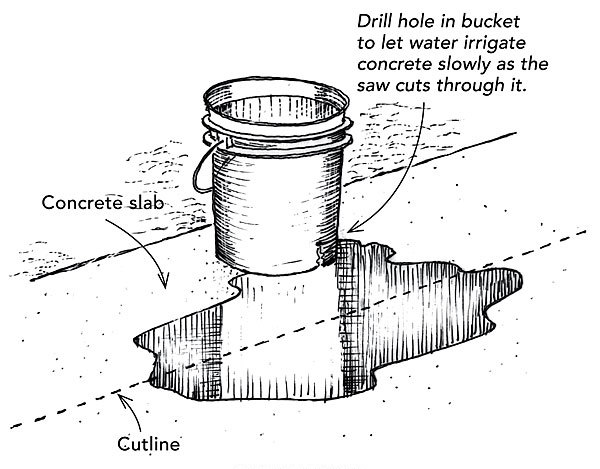
Wet Cutting
Benefits:
✔ Longer blade life
✔ Reduced dust
✔ Cooler cutting
✔ Smooth finish
Dry Cutting
Benefits:
✔ Portable jobsite use
✔ Faster setup
✔ Ideal for gas saws and grinders
Allow blades to spin freely to cool between cuts.
Choosing the Right Blade
4
Three factors determine blade choice.
Material
Concrete requires different blades than tile or asphalt.
Saw Type
Typical sizes:
4–5 inch → grinders
7–10 inch → tile saws
12–14 inch → cutoff saws
14–24 inch → walk-behind saws
Speed vs Blade Life
Premium blades often cut faster and last longer.
Common Diamond Blade Problems
4
Blade Stops Cutting (Glazing)
Cause:
Bond too hard for the material.
Fix:
Cut abrasive material such as concrete block.
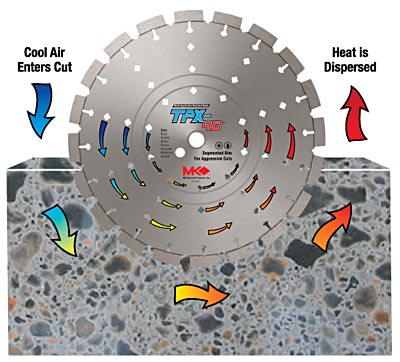
Segment Loss
Cause:
• Overheating
• Incorrect blade type
• Excessive pressure
Excessive Wear
Cause:
• Wrong blade for material
• Poor blade quality
• Operator pressure
Diamond Blade Safety Tips

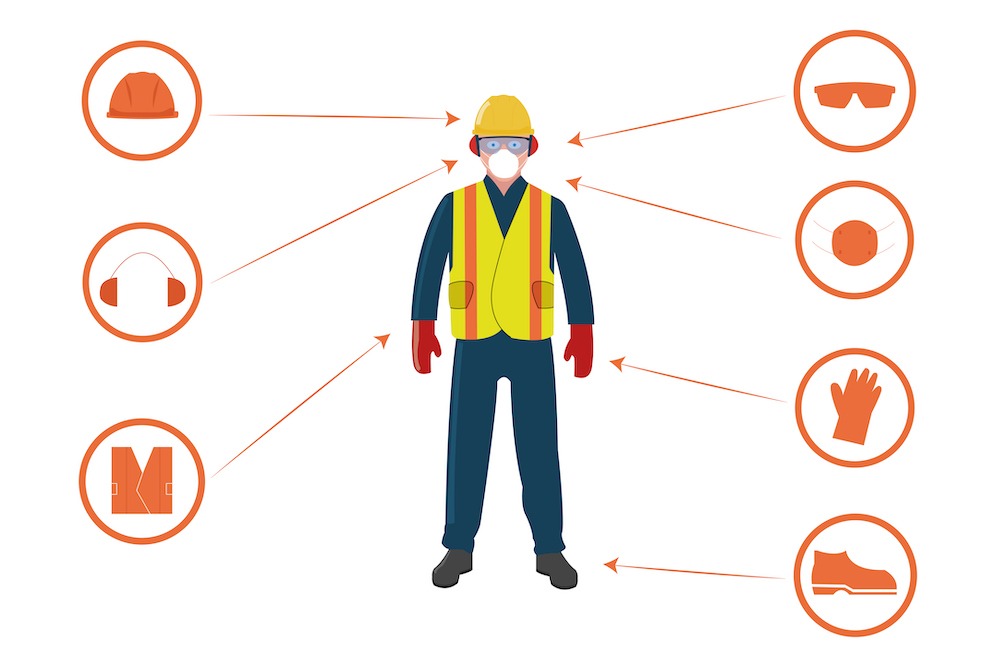
Always follow these safety practices.
✔ Wear eye protection
✔ Wear hearing protection
✔ Use proper guards
✔ Check blade RPM ratings
Never exceed the maximum rated speed.
How to Extend Blade Life
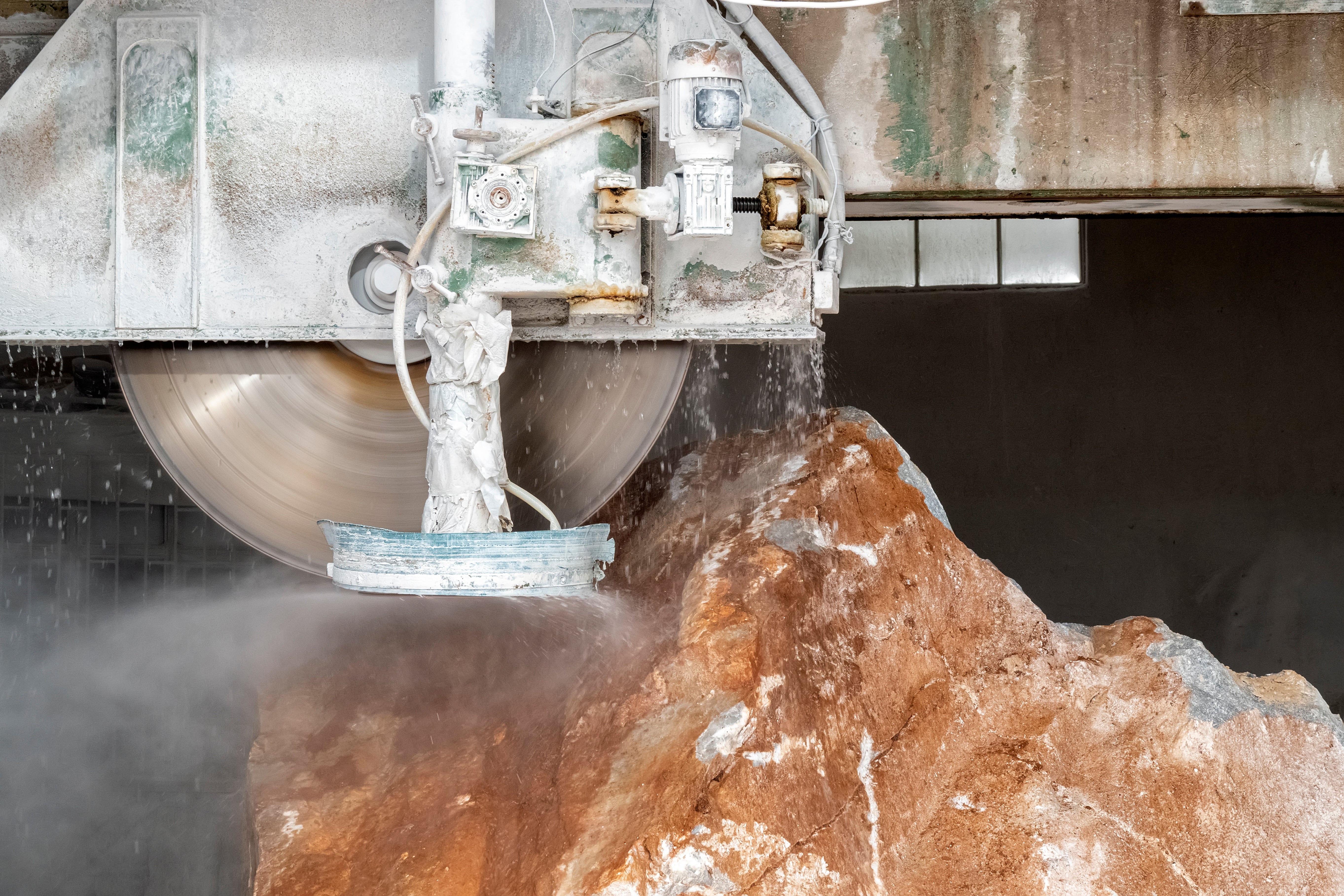
Contractor tips:
✔ Let the blade do the cutting
✔ Avoid twisting during cuts
✔ Allow blades to cool
✔ Match blade to material
These steps can double blade life.
Diamond Blade Troubleshooting Chart
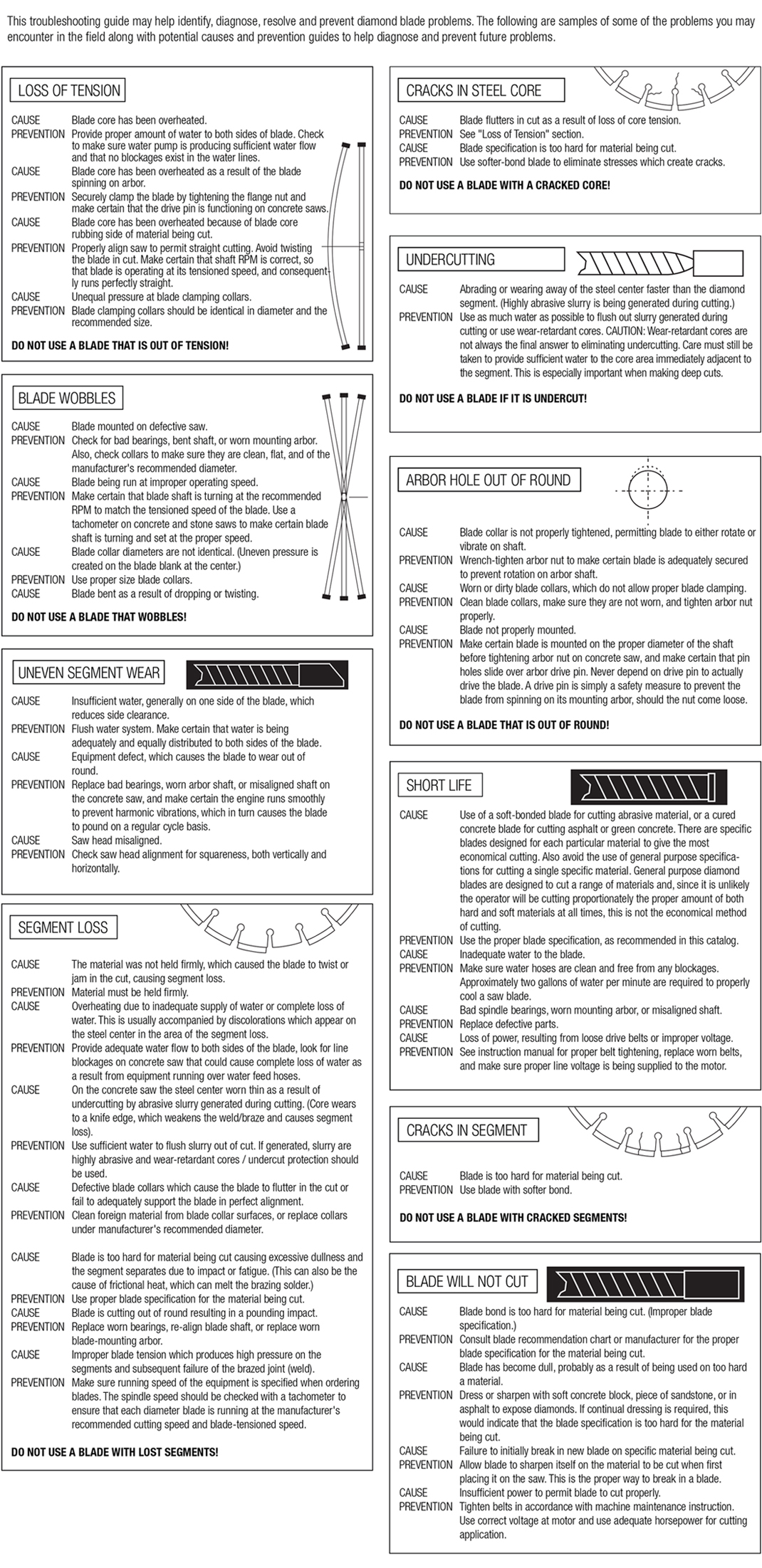
Typical problems:
Slow cutting → blade glazing
Fast wear → incorrect bond
Segment loss → overheating
Understanding the cause saves time and money.
Contractor Diamond Blade Selection Cheat Sheet
Quick reference:
Concrete → Segmented blade
Tile → Continuous rim blade
Stone → Turbo blade
Asphalt → Hard bond blade
Keeping a simple selection chart on the jobsite saves contractors money and frustration.
Final Thoughts
Diamond blades are one of the most valuable cutting tools used in construction. When contractors understand blade types, bond hardness, and cutting techniques, they can dramatically improve cutting performance and blade life.
Choosing the correct blade will:
✔ Cut faster
✔ Reduce downtime
✔ Save money
✔ Improve jobsite safety
Learn More at bladeguypro.com/
BladeGuy Pro provides real contractor advice from decades of field experience, including:
• Diamond blade troubleshooting
• Contractor cutting tips
• Tool comparisons
• Jobsite safety advice
Real issues. Real answers. From the jobsite.